3D-4CH reaches the halfway point: building Europe’s 3D digital heritage community
27. 8. 2026

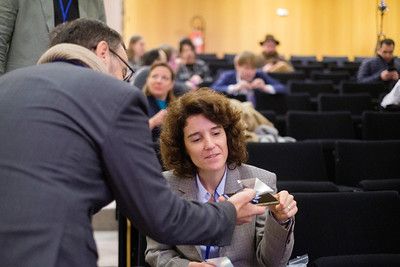
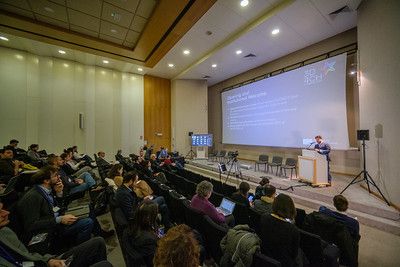
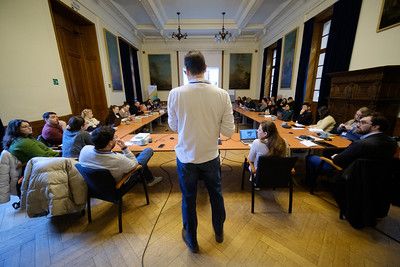
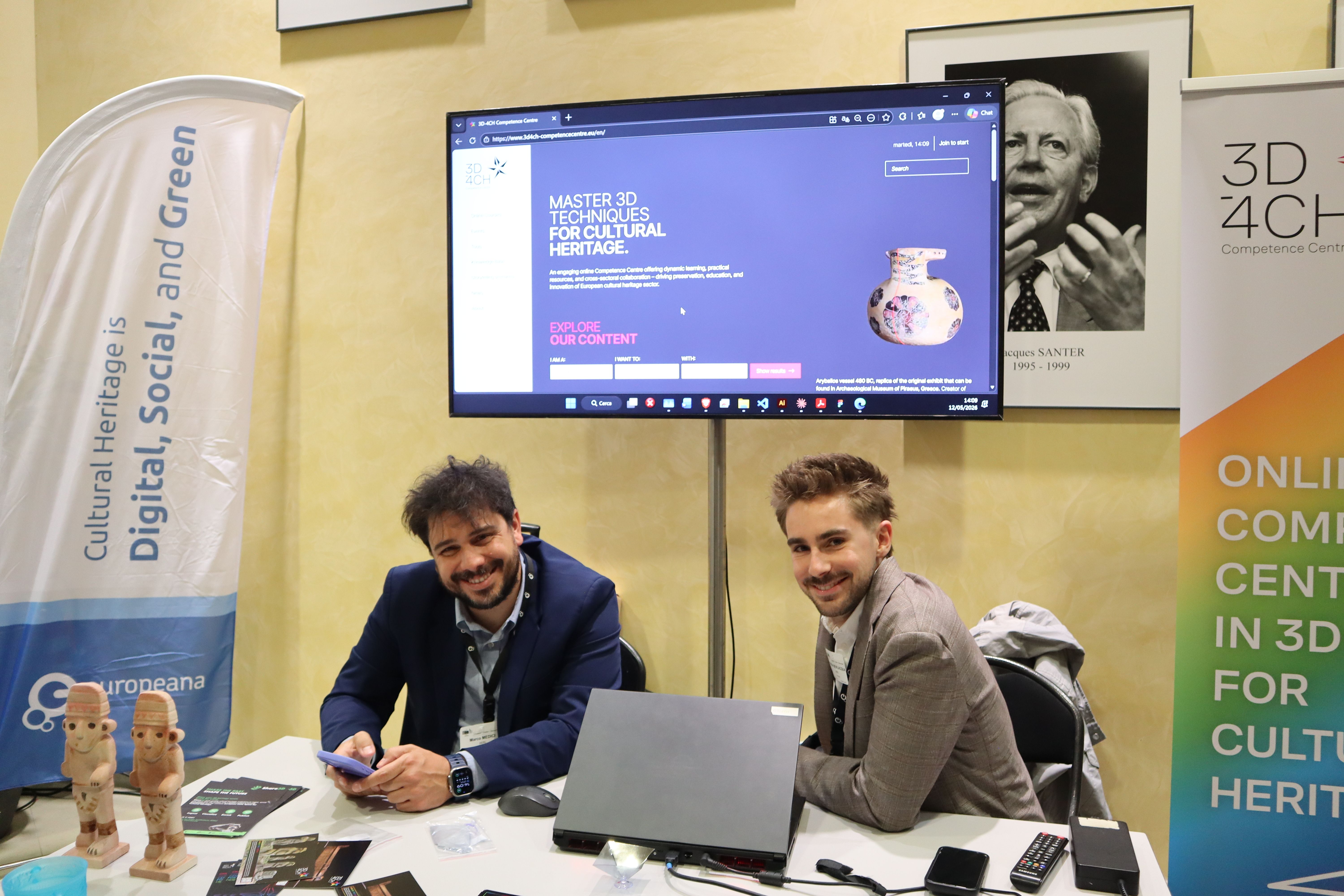
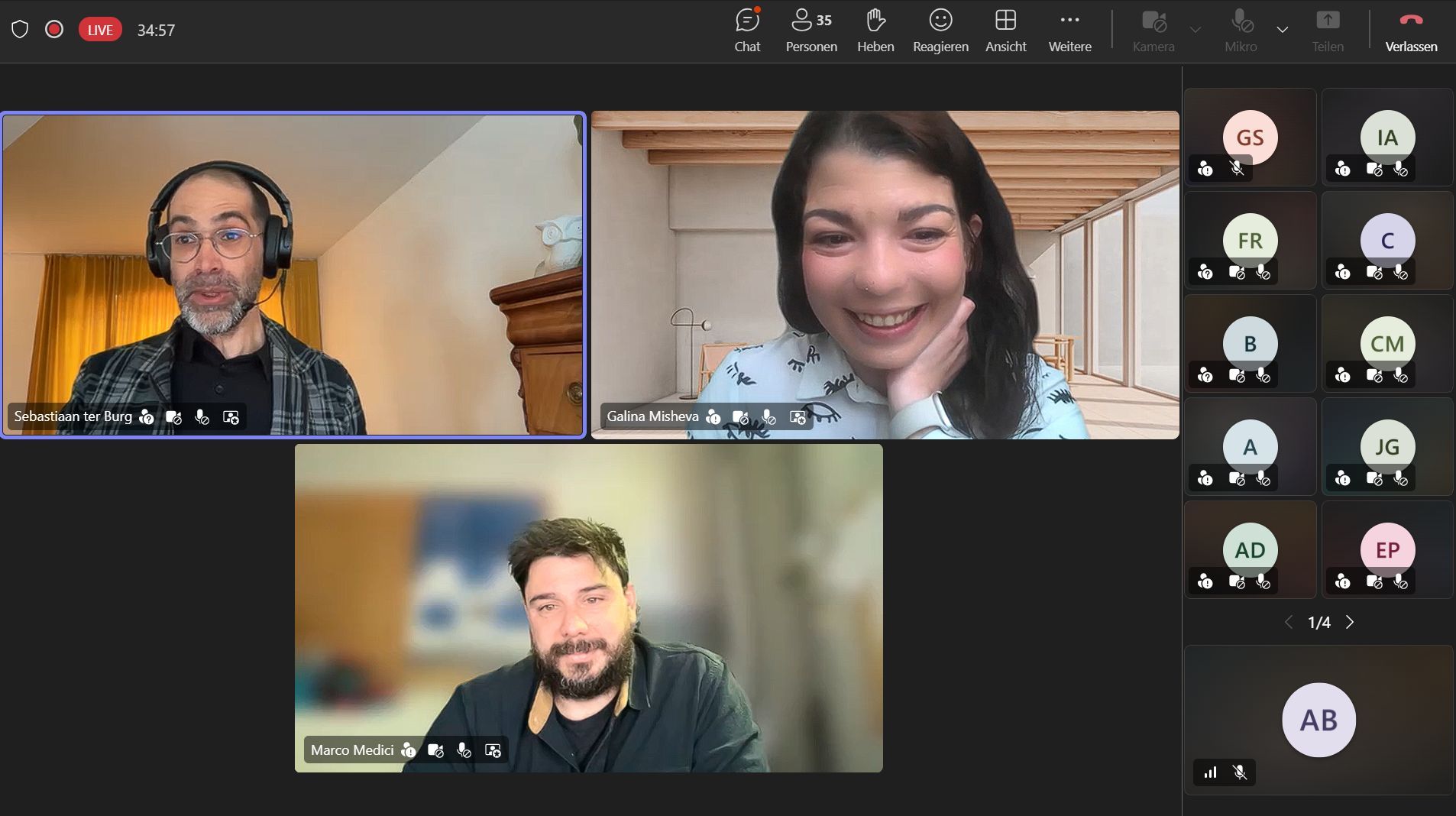
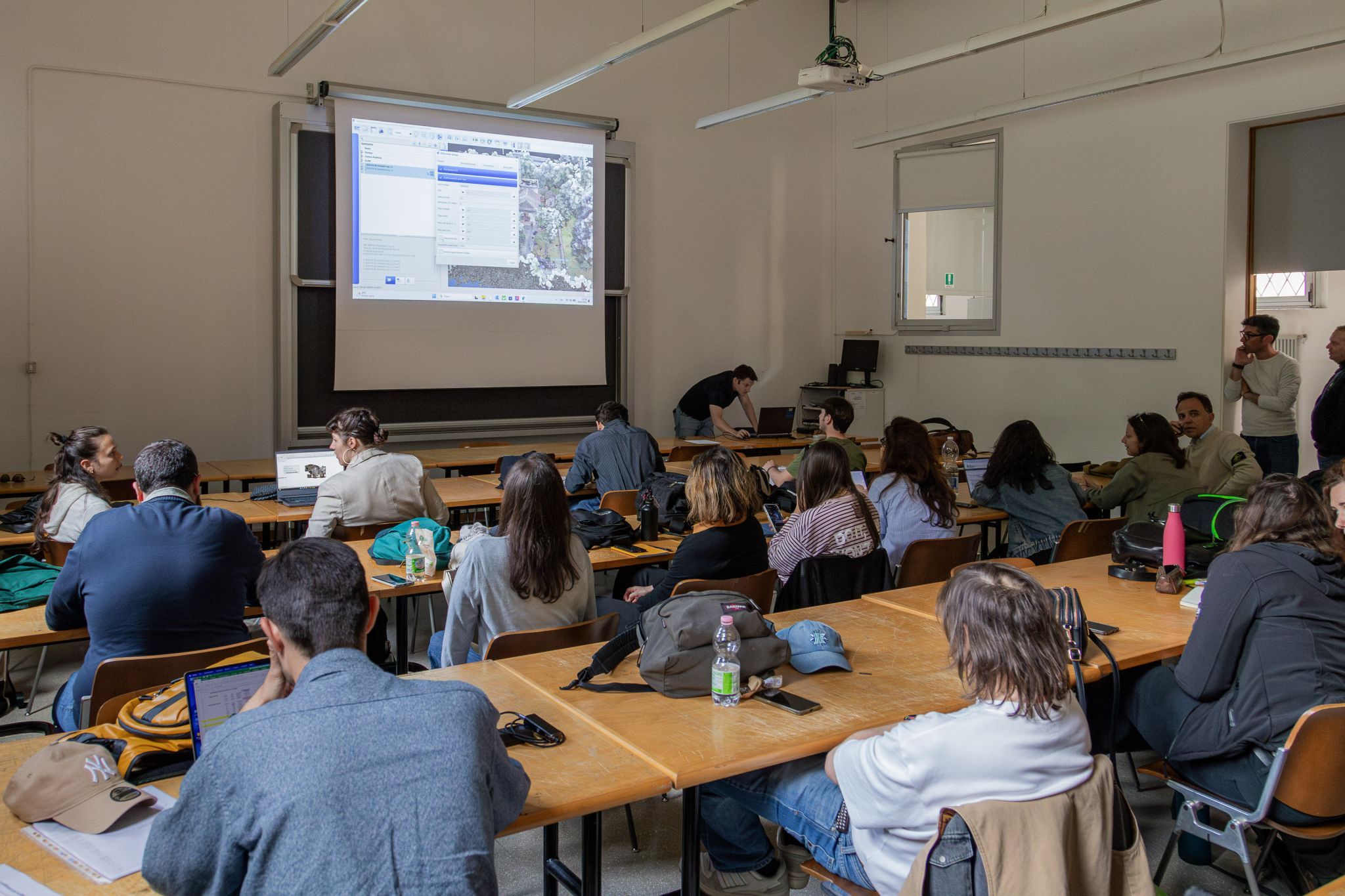
18 months into the project, 3D-4CH has reached an important milestone. The Online Competence Centre in 3D for Cultural Heritage is live, a growing community is coming together around 3D cultural heritage, and new opportunities for learning, collaboration and innovation are taking shape across Europe. With another 18 months ahead, the project is now ready to build on this momentum and turn its foundations into lasting impact.
The first half of 3D-4CH has been about turning a shared vision into something tangible: a European online hub where cultural heritage professionals can learn, discover tools, share knowledge and explore new ways of working with 3D.
Since the launch of the 3D-4CH Online Competence Centre in 3D for Cultural Heritage on 28 January 2026, the platform has continued to grow. At Month 18, it already brings together 7 online courses across 6 thematic modules, 45 tools and 80 Knowledge Base resources, alongside storytelling scenarios, events and news. With multilingual content and automatically generated subtitles for Knowledge Base videos, the Centre is designed to make 3D knowledge more accessible to professionals across Europe.
“3D digital cultural heritage is ultimately about people: the professionals who create and preserve heritage, the communities who connect with it, and the innovators developing new ways to experience and understand it. Over the first 18 months, 3D-4CH has brought these communities closer together and created the infrastructure to support them. The next phase is about expanding this community and turning collaboration into lasting impact.” — Marco Medici, Project Coordinator, 3D-4CH
From technology to people and practice
Across the first 18 months the project has worked on two fronts: building resources, and connecting people and ideas across the European cultural heritage sector.
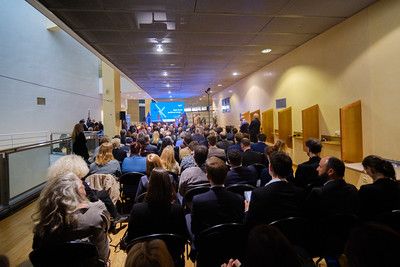
The first year was largely about making the project visible and bringing people into the conversation. 3D-4CH started in Trento in February 2025 with a public session on how the project connects with the Twin it! campaign, the common European data space for cultural heritage and the wider European agenda for digital heritage. From there, the Competence Centre travelled to the sector's main venues, among them the Europeana Conference in June 2025 and Digital Heritage 2025 in September, where the project co-chaired the workshop "3D Data in the Data Space for Cultural Heritage" together with European initiatives XRculture, 3DBigDataSpace and EUreka3D-XR. Year one culminated in thefirst 3D-4CH Winter School (21 to 23 January 2026, Art & History Museum, Brussels), which brought more than 100 participants together and opened with a Digital Europe project showcase chaired by Fulgencio Sanmartín, DG CNECT.
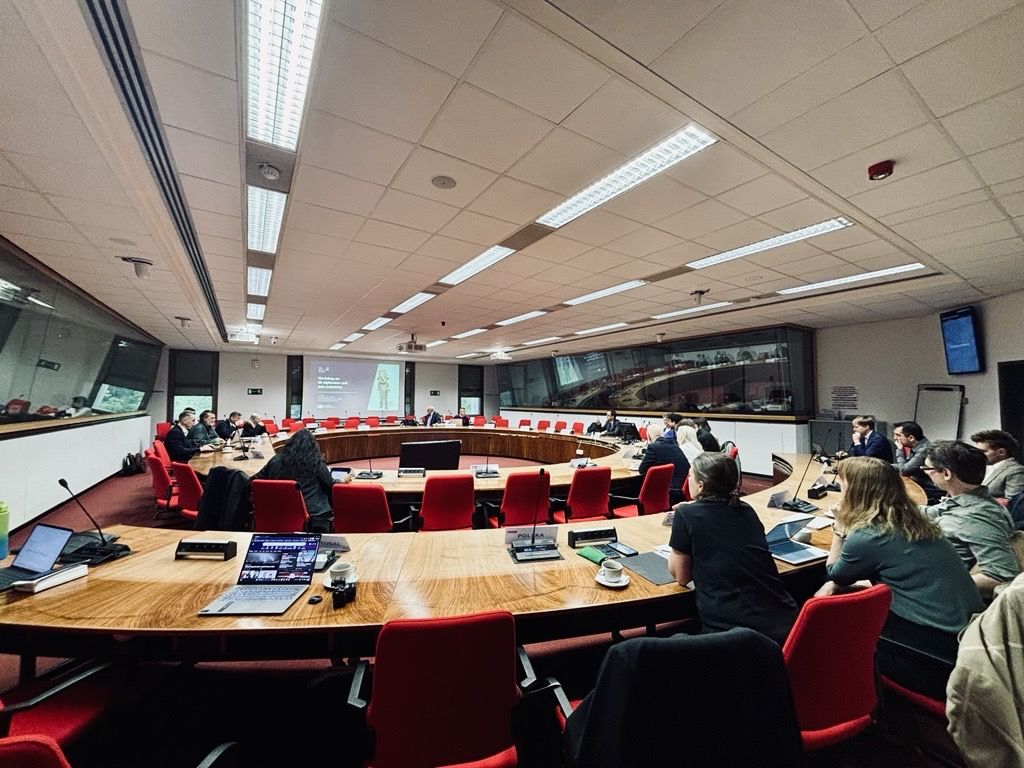
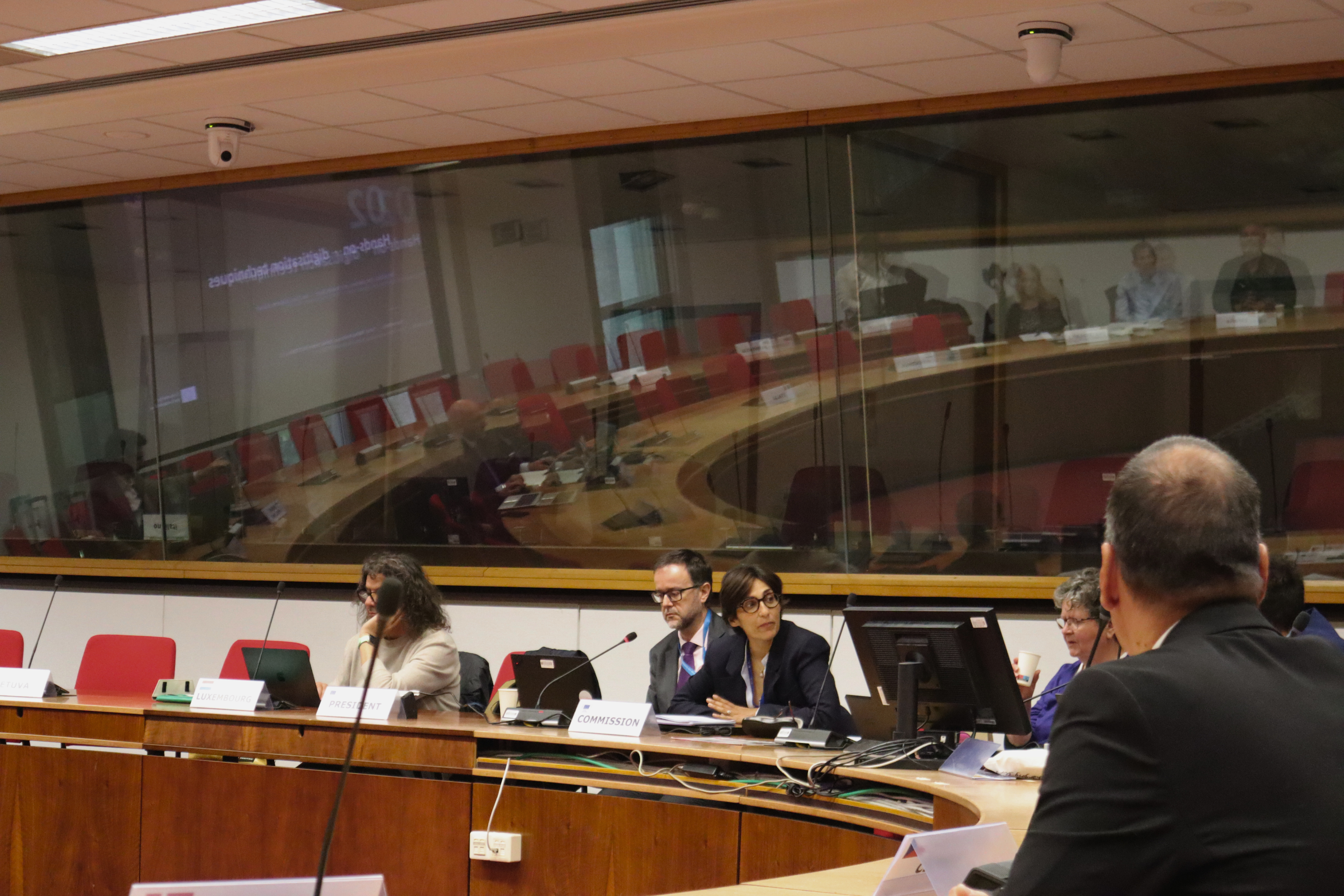
The last six months have been busier and more hands-on. In March, the project co-organised the “AI for 3D Digital Twins in Cultural Heritage” Stakeholder Forum with the European Commission’s DG CONNECT, as part of the ApplyAI strategy. 3D-4CH also contributed to the Twin it! Part II campaign and its High-Level Political Closing Event.
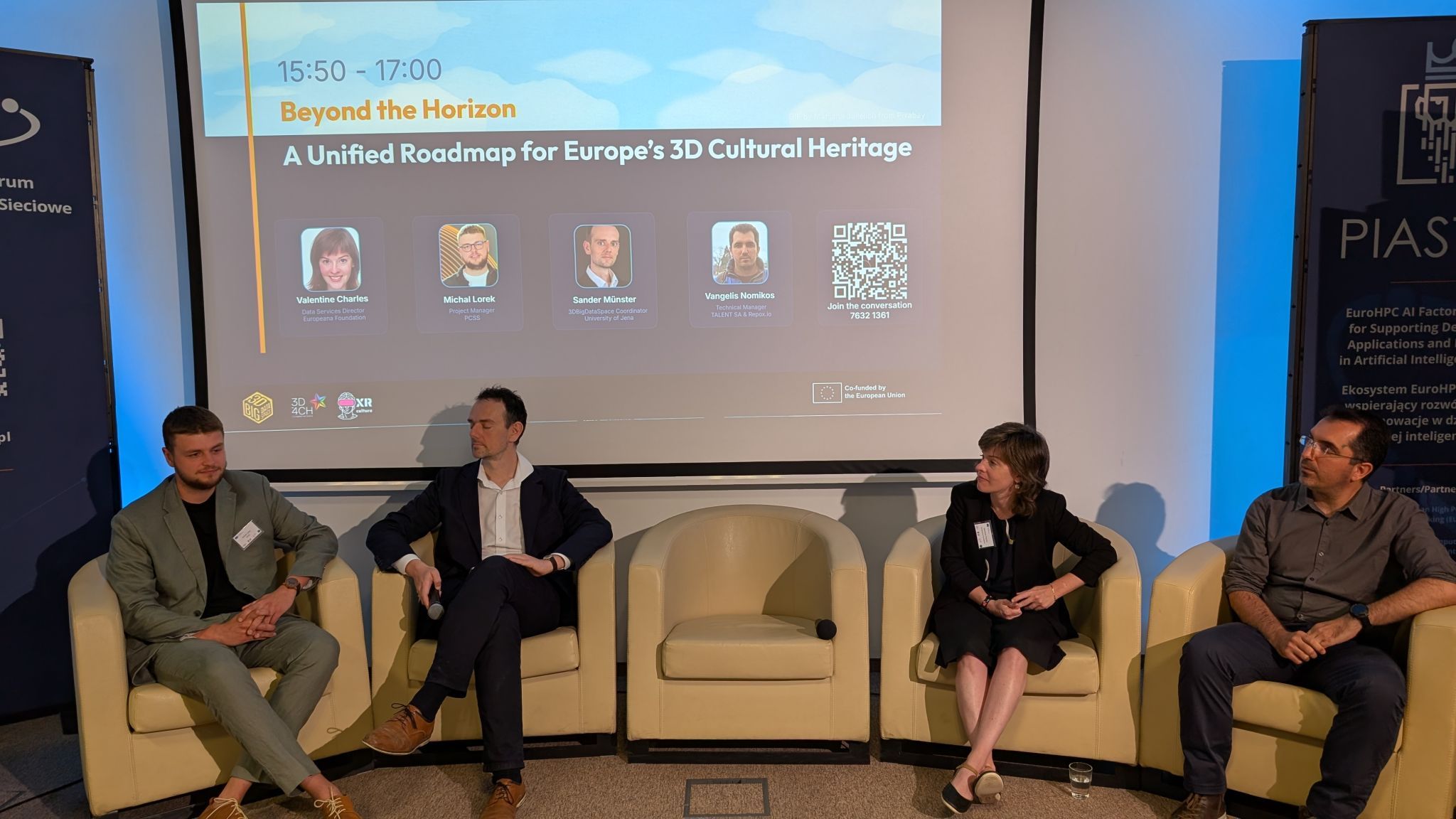
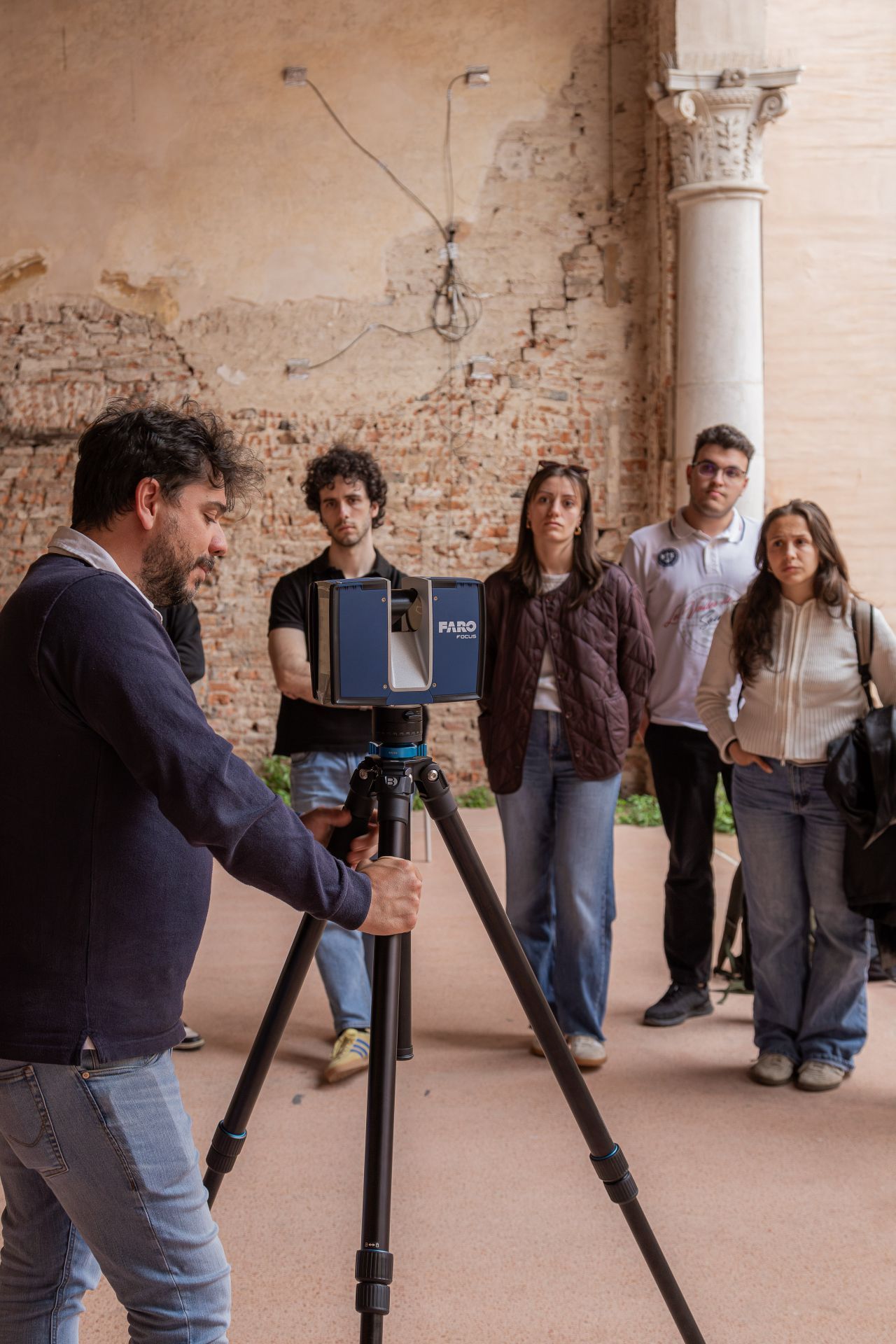
In May, the project delivered a practical 3D digitisation workshop for the CEDCHE expert group in Brussels, and contributed to theHeritage at Risk Summer School 2026 in Ferrara (7 and 8 May) with a session on documenting built heritage in war zones. In July, 3D-4CH joined the 3DBigDataSpace project in Poznań for the “From 3D Data to XR Experiences” Forum, bringing together different perspectives on how 3D data can open the door to new digital experiences.
Between them, these activities connect what the technology can do with the people who can put it to use in cultural heritage.
Making Ukrainian 3D heritage more accessible
In February 2026, 3D-4CH completed a pilot project to bring Ukrainian 3D cultural heritage datasets to Europeana, announced a few weeks earlier at the Winter School. The first models, produced by Pixelated Realities through emergency photogrammetry workflows, come from the Museum of Ukrainian Victory initiative and include outdoor sculptures and heritage sites from the Odesa, Kherson, Kharkiv and Sumy regions.
The pilot has since become a working pipeline. A working group was set up under the project's aggregation task to map 3D technologies and data across Ukrainian institutions, and the technical work has moved steadily towards open, standards-based frameworks for managing and publishing 3D data rather than proprietary services, keeping the records interoperable with the infrastructure that feeds Europeana and under the control of the institutions that hold them. The number ofUkrainian 3D records on Europeana has grown to 190.
This important step demonstrated how 3D heritage content can be shared through European cultural heritage infrastructures, making it easier to discover and reuse. It also provides a foundation for further work on bringing more 3D content into shared European spaces during the second half of the project.
Understanding the impact
Alongside its practical activities, 3D-4CH has been working out how to tell whether that work makes a lasting difference.
The groundwork came first: defining the target groups the Competence Centre has to serve, and building the two bodies that keep the project answerable to them. The Stakeholder Panel now counts 35 members from 32 countries, the Advisory Board 17, and the two met jointly for the first time in July 2025, shaping the early surveys and the design of the platform before it was built.
On that basis, the project has developed an impact assessment framework based on the Europeana Impact Playbook, with clear criteria for measuring progress and results. The first internal Impact Workshop took place in June 2026, followed in July by the second joint meeting of the Advisory Board and Stakeholder Panel.
Capacity building is where reach becomes involvement. The Winter School, the CEDCHE workshop and the other training activities are what move institutions from having heard of the Competence Centre to working with it, which is the difference the project is trying to measure: not how many activities took place, but how the Competence Centre is being used, who it reaches and what value it creates for the cultural heritage community.
A growing community
Interest in 3D-4CH has continued to grow alongside the project’s activities. By Month 18, the project had reached:
-
11,000+ website visits
-
1,862 LinkedIn followers
-
136,000+ LinkedIn impressions
-
24+ news stories
-
14 videos
-
14 press and news releases
-
20+ presentations at external events
Behind these numbers is a growing network of professionals, organisations and institutions interested in the opportunities that 3D can bring to cultural heritage.
The next 18 months
The second half of the project turns the foundations into use.
3D-4CH will deliver and certify its first online courses, widening the training offer, growing and sharing 3D cultural heritage content, and encouraging greater use and reuse of the Competence Centre’s resources. In parallel, the consortium will work on the partnerships and the long-term model needed to ensure that the Centre continues to serve the cultural heritage community beyond the project’s lifetime.
The first half is complete. The next chapter starts now.