[3D-4CH] MODULE 1: PLANNING A 3D DIGITISATION PROJECT
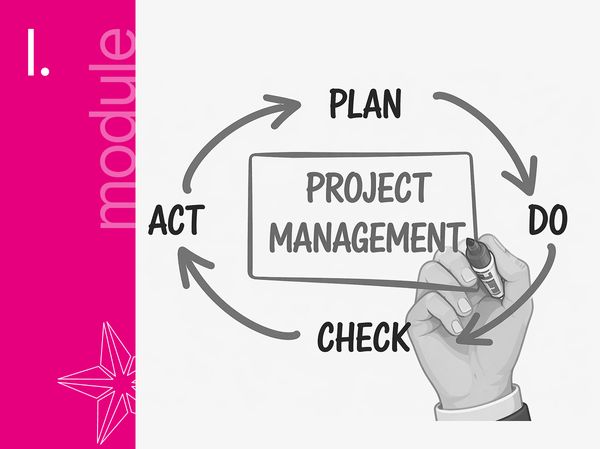
The courses within Module 1 are currently under development.
About:
This module provides a comprehensive introduction to planning a 3D digitisation project for cultural heritage. Designed for managers, cultural heritage professionals and researchers, it covers the full process from idea, through planning and implementing the project to enabling access to the project outcomes. Participants will gain an overview of the policy context and understanding of the benefits of 3D digitisation for cultural heritage organisations. They will gain experience of defining project outcomes to fulfil the needs and expectations of their stakeholders, funding bodies and organisations.
The module covers assessment of practical issues and constraints which inform how any 3D project is implemented. These range from timing and funding constraints, environmental issues such as access to sites, safe handling of objects, weather conditions and other factors. Participants will learn how to assess organisational capacity for 3D digitisation projects - staffing, equipment, technical support, data management, contracting of external suppliers, scaling projects up. Participants will gain understanding of how to apply best practice techniques for the implementation of digitisation projects, effective monitoring of progress with the project’s objectives and any risk factors, and how to communicate the project’s results. Participants will gain an understanding of copyright and licensing, and how to manage project data.
An emphasis is placed on establishing good practice techniques for planning and managing 3D digitisation projects, which can be applied across multiple projects and at scale.
This module equips participants with the essential skills to plan and manage 3D projects in the cultural heritage context.
Learning outcomes:
- Understand the benefits of 3D digitisation for cultural heritage organisations.
- Awareness of policy context, funding opportunities, outreach strategies,
- Able to define project objectives to meet the needs of stakeholders and the organisation
- Assessment of practicalities, constraints, organisational capacity, environment, access to sites and object handling
- Able to apply techniques for project coordination, monitoring, scaling and risk management
- Internal and external team selection
- Understanding of copyright and licensing, and data management
- Awareness of strategies for promoting project outcomes
Target audience: Managers, Cultural Heritage Professionals, Researchers
This is not a single course, but a broader module composed of multiple interrelated courses, forming a flexible learning framework.