3D-4CH at the Heritage at Risk Summer School 2026: Strengthening Digital Skills for Heritage Protection
22. 5. 2026

How can 3D technologies support the protection of cultural heritage in times of crisis, conflict and environmental risk?
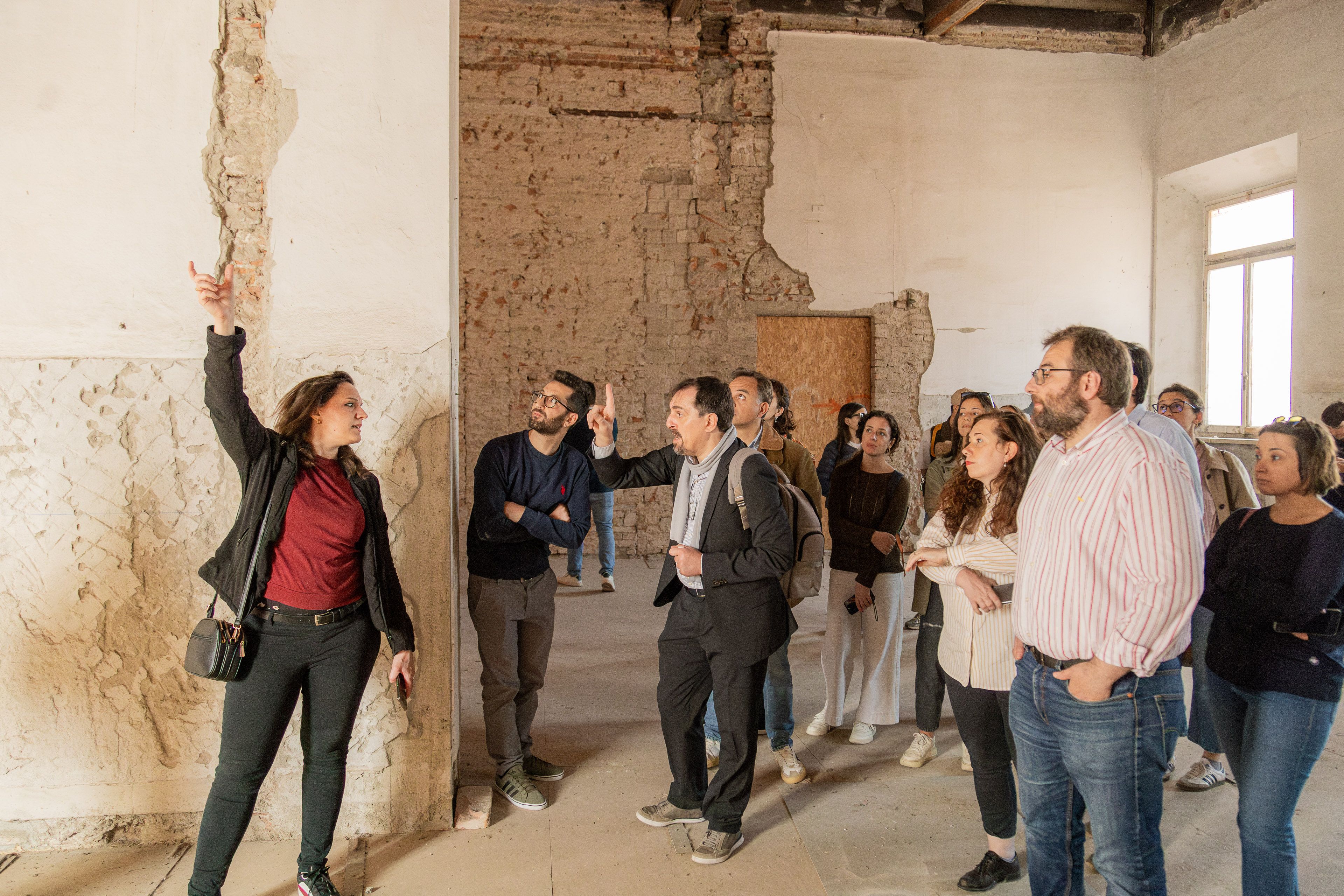
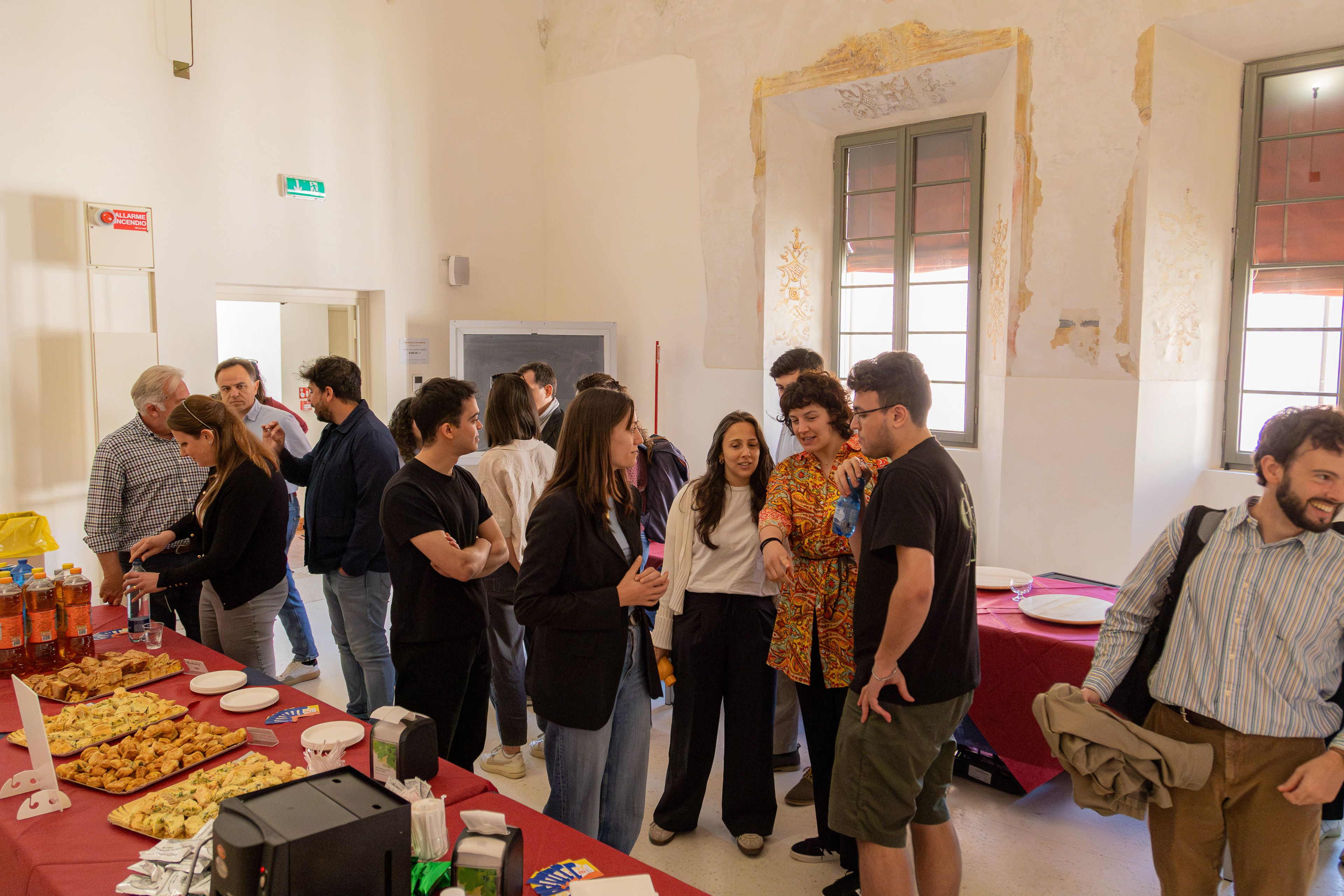
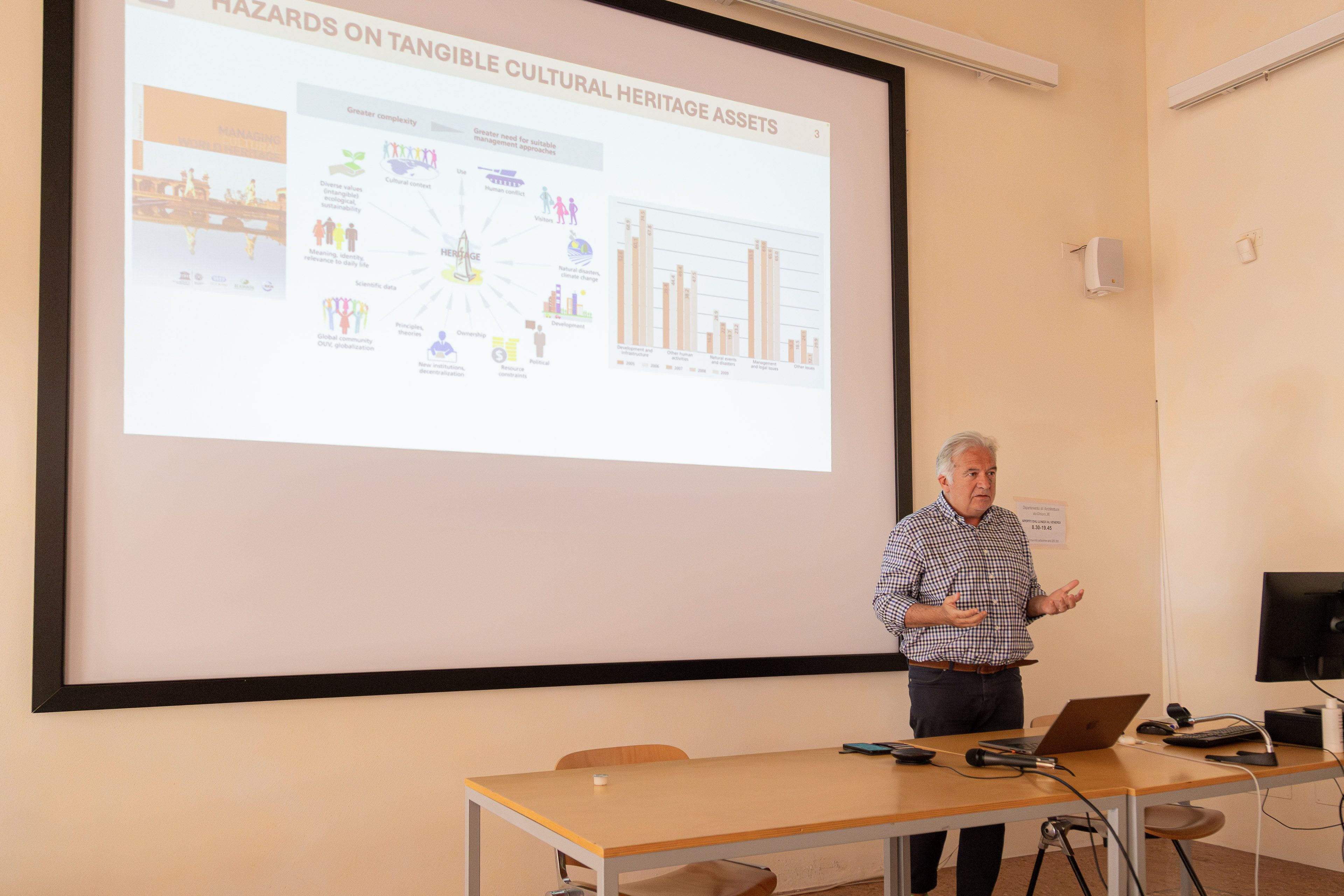
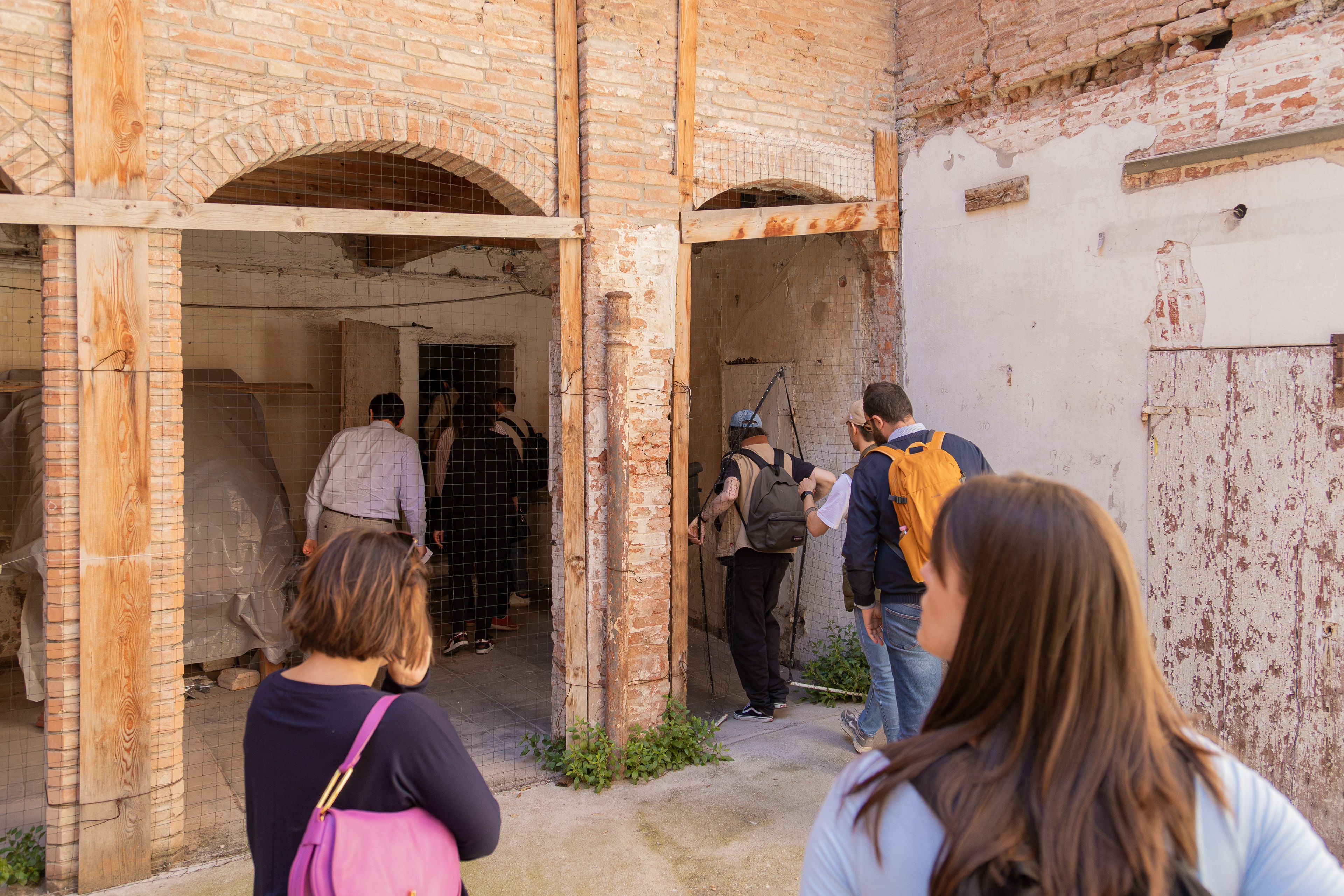
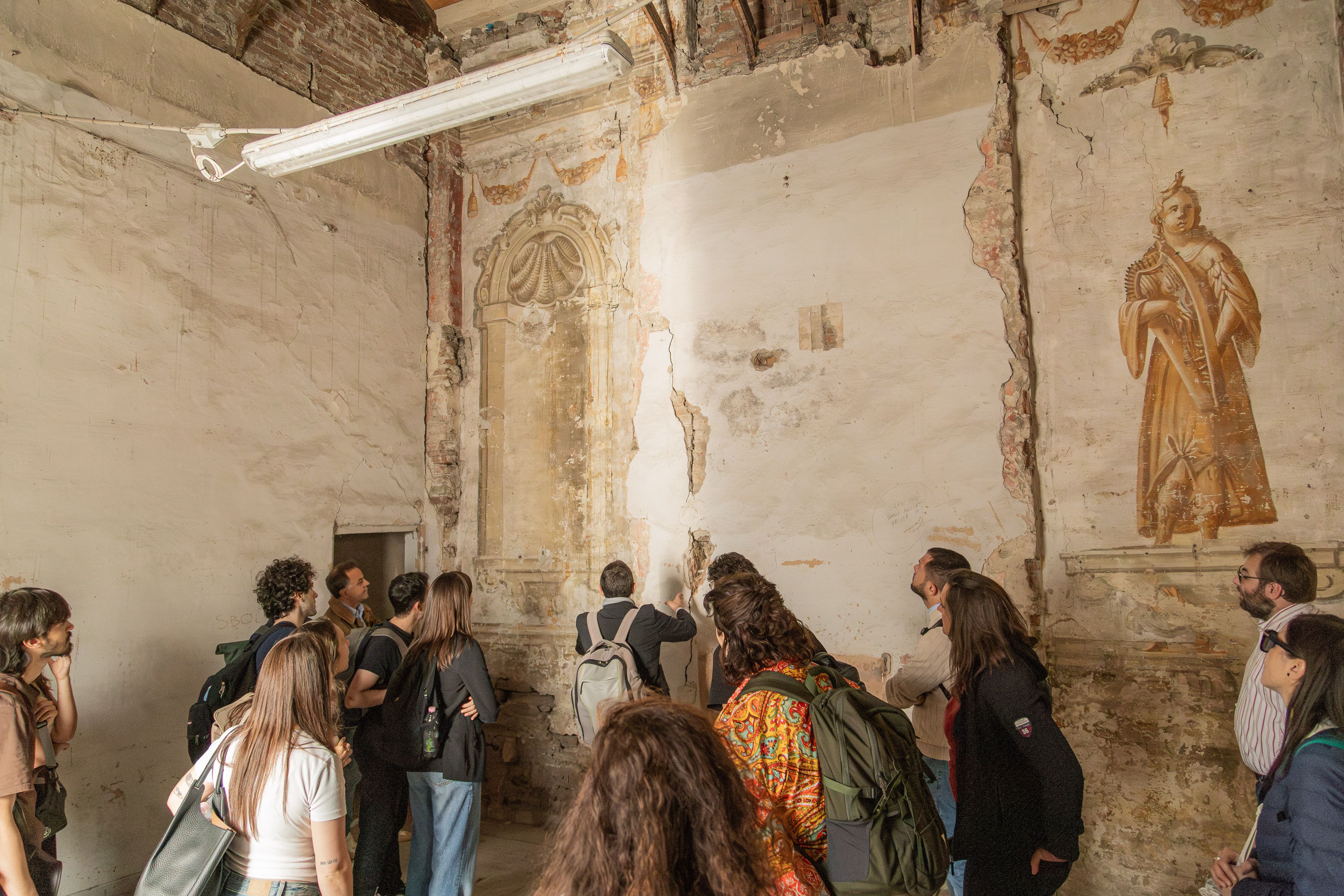
These questions were at the heart of the Heritage at Risk Summer School 2026, which took place on 7–8 May in Ferrara and brought together students, researchers, cultural heritage professionals and technology experts from across Europe.
Organised within the framework of the 3DBigDataSpace Project and in collaboration with the 3D-4CH Online Competence Centre in 3D for Cultural Heritage, the Summer School explored how advanced 3D documentation methods and digital workflows can contribute to safeguarding cultural heritage under threat.
For the 3D-4CH project, the programme represented an important opportunity to foster knowledge exchange and strengthen digital capacities around heritage preservation, particularly in relation to crisis response and the protection of endangered cultural sites.
Addressing Heritage at Risk Through Digital Technologies
Throughout the two-day programme, participants explored European and international approaches to documenting, reconstructing and preserving cultural heritage affected by natural disasters, armed conflict and other crisis situations.
Sessions focused on:
-
European strategies and guidelines for heritage at risk
-
3D reconstruction and documentation methodologies
-
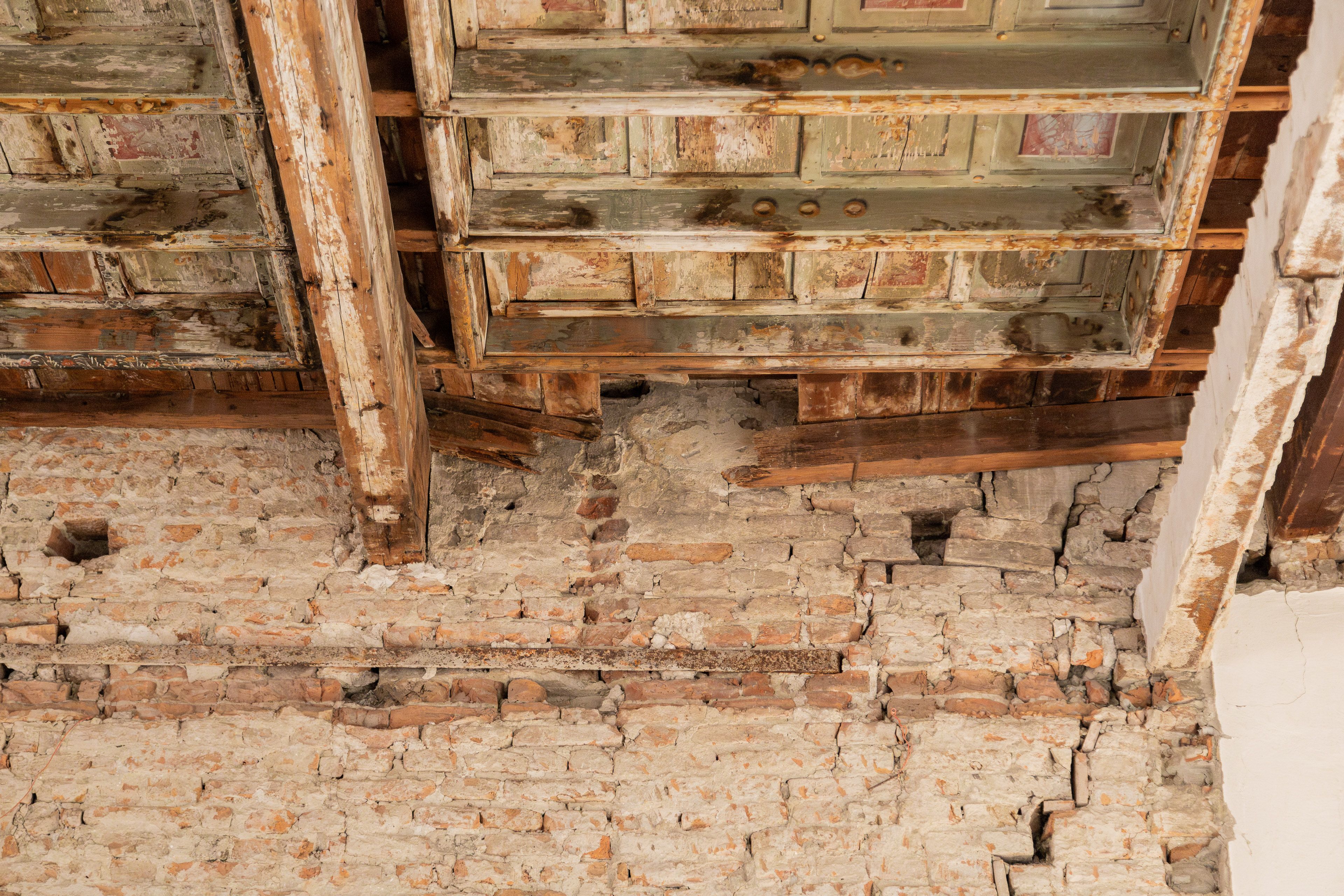
Case studies from Italy, affected by several earthquakes in the past few years, and Ukraine.
Particular attention was given to the role of digital documentation technologies in supporting heritage protection efforts in Ukraine, where monuments, museums and historic sites continue to face severe risks due to the ongoing war.
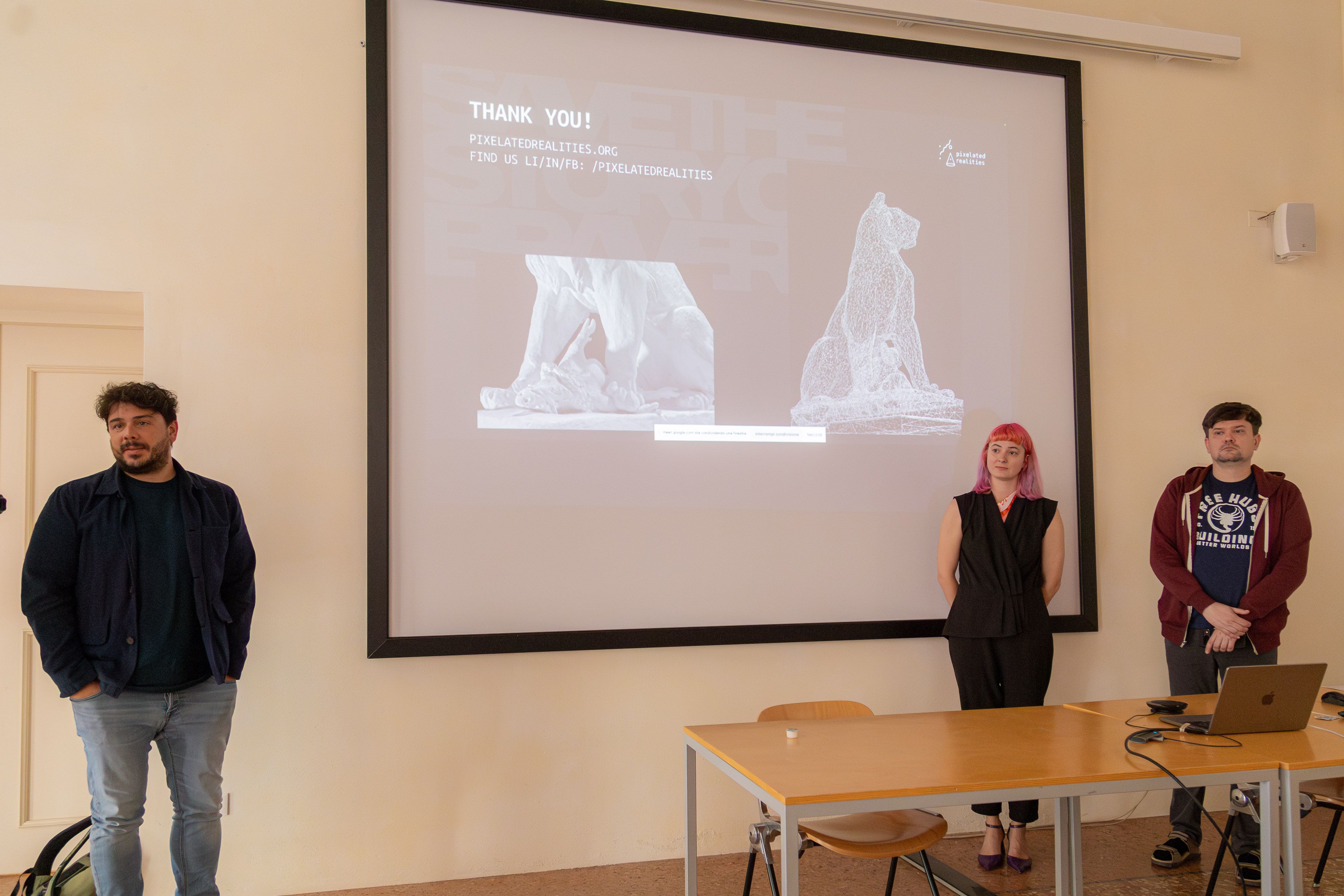
As part of the first day programme, 3D-4CH project partner Pixelated Realities contributed insights and experiences related to digital heritage documentation and reconstruction methodologies connected to safeguarding cultural heritage in Ukraine.
The session highlighted how technologies such as photogrammetry, laser scanning and 3D modelling are increasingly becoming essential tools for documenting endangered heritage and supporting future restoration and reconstruction efforts.
Collaboration, Training and Shared Expertise
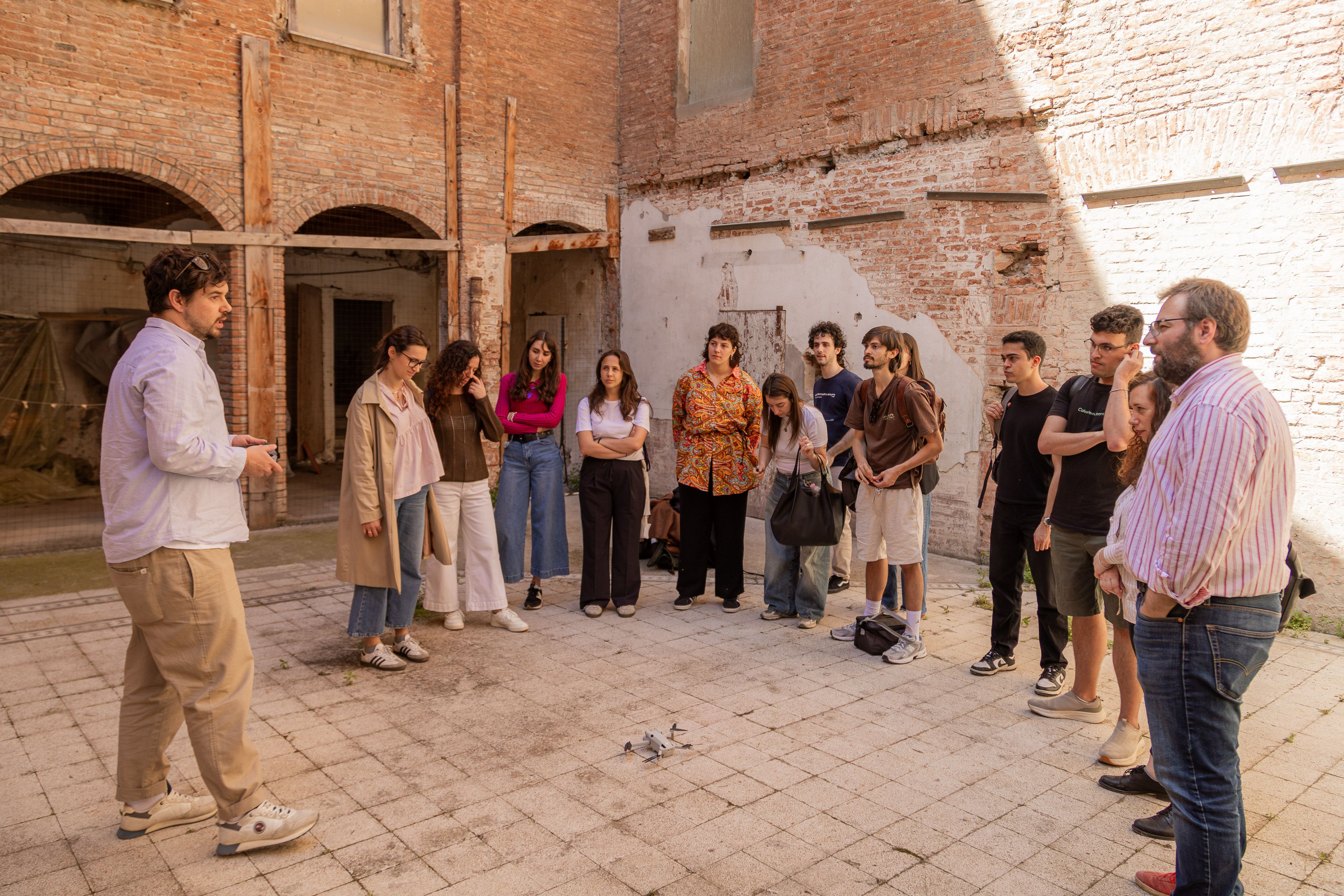
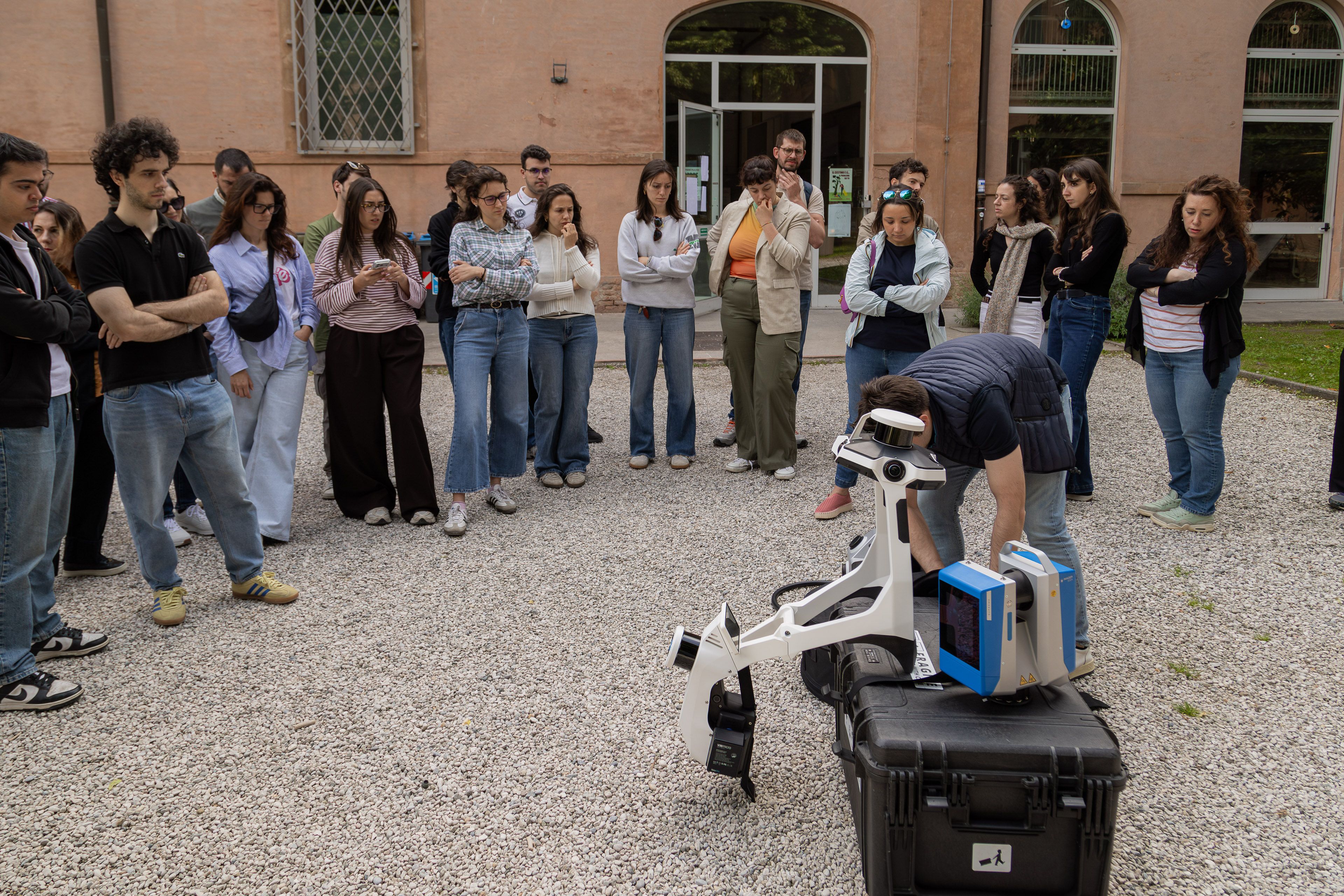
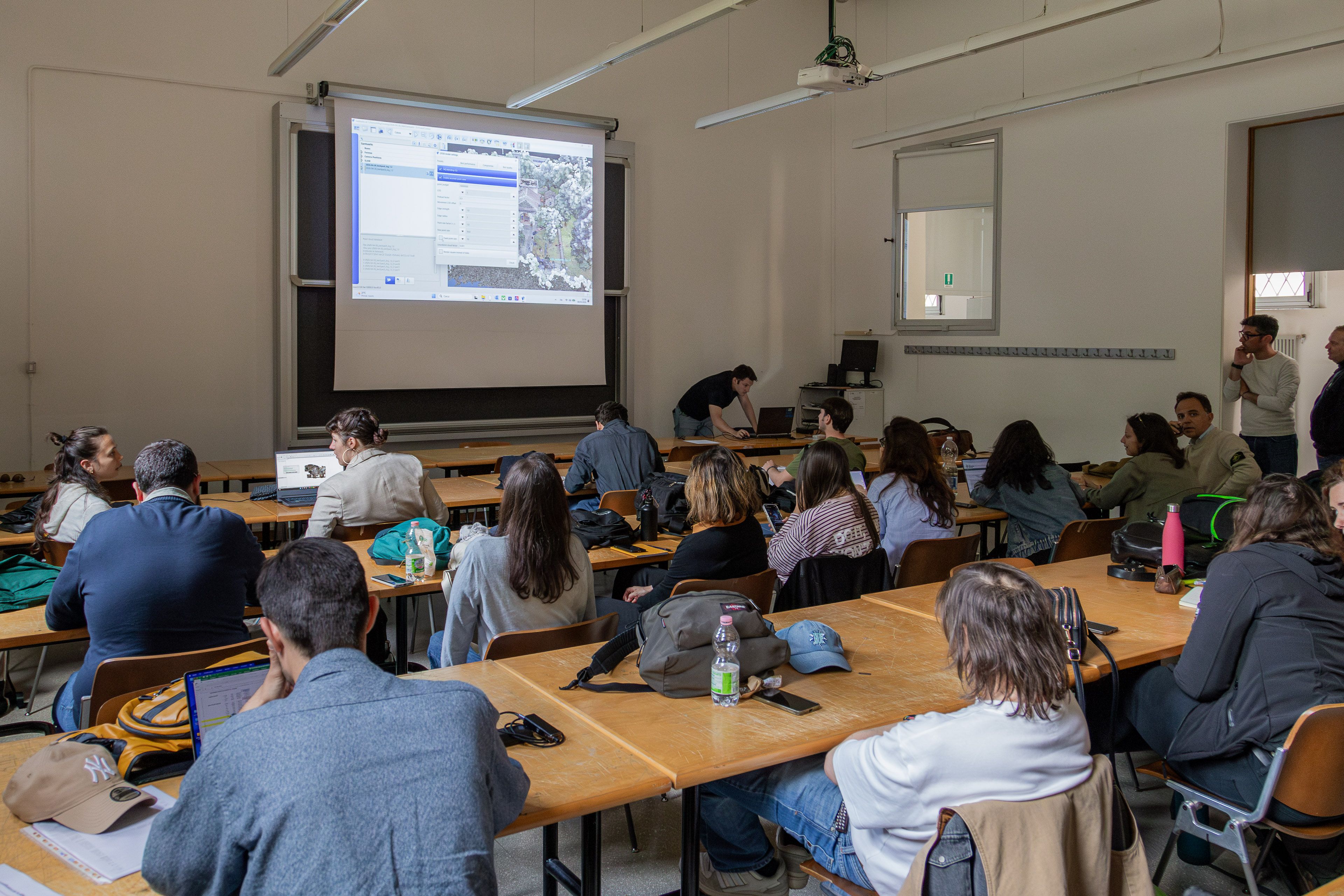
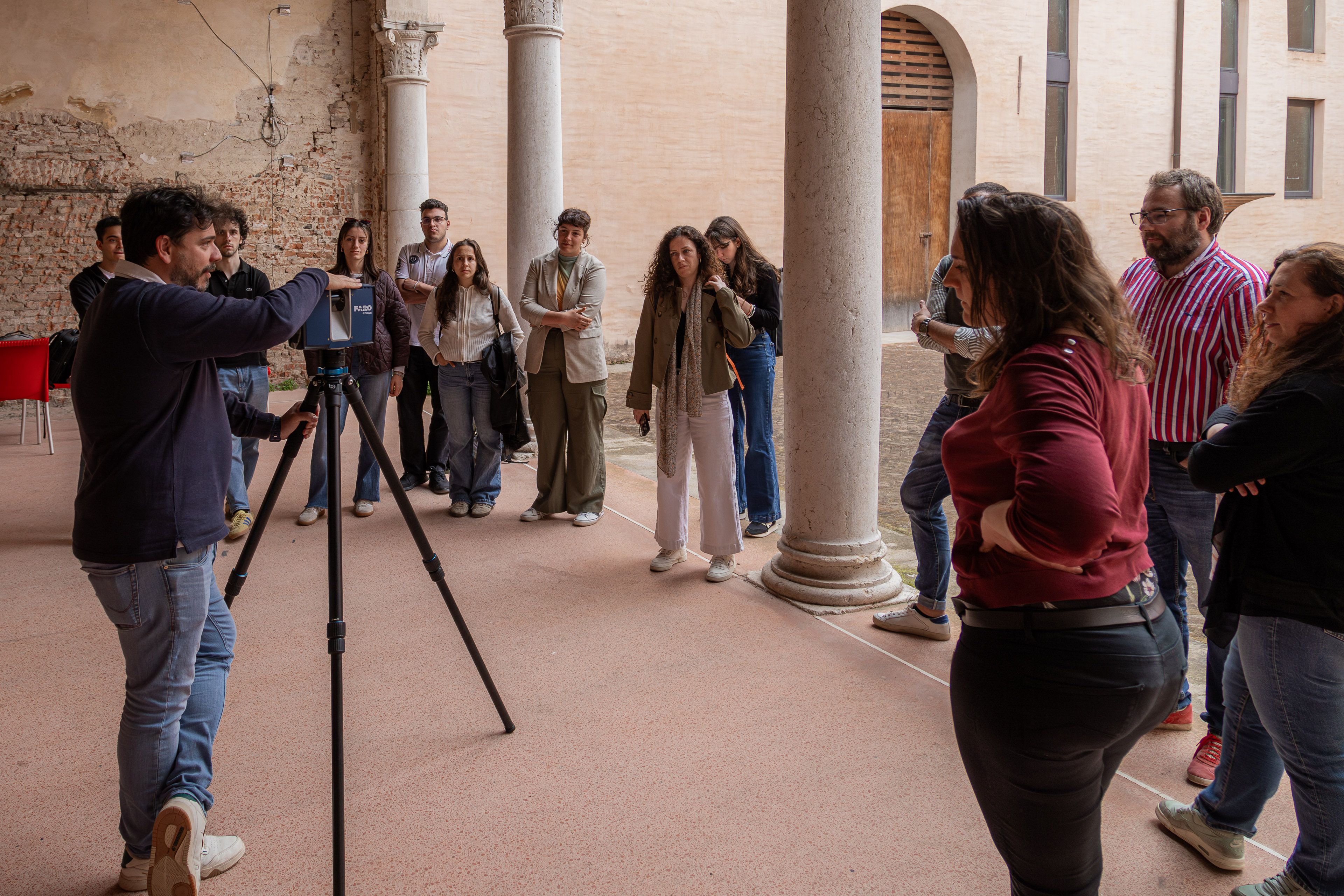
The Summer School combined strategic discussions with extensive practical training sessions, allowing participants to engage directly with advanced technologies and workflows used in cultural heritage documentation today.
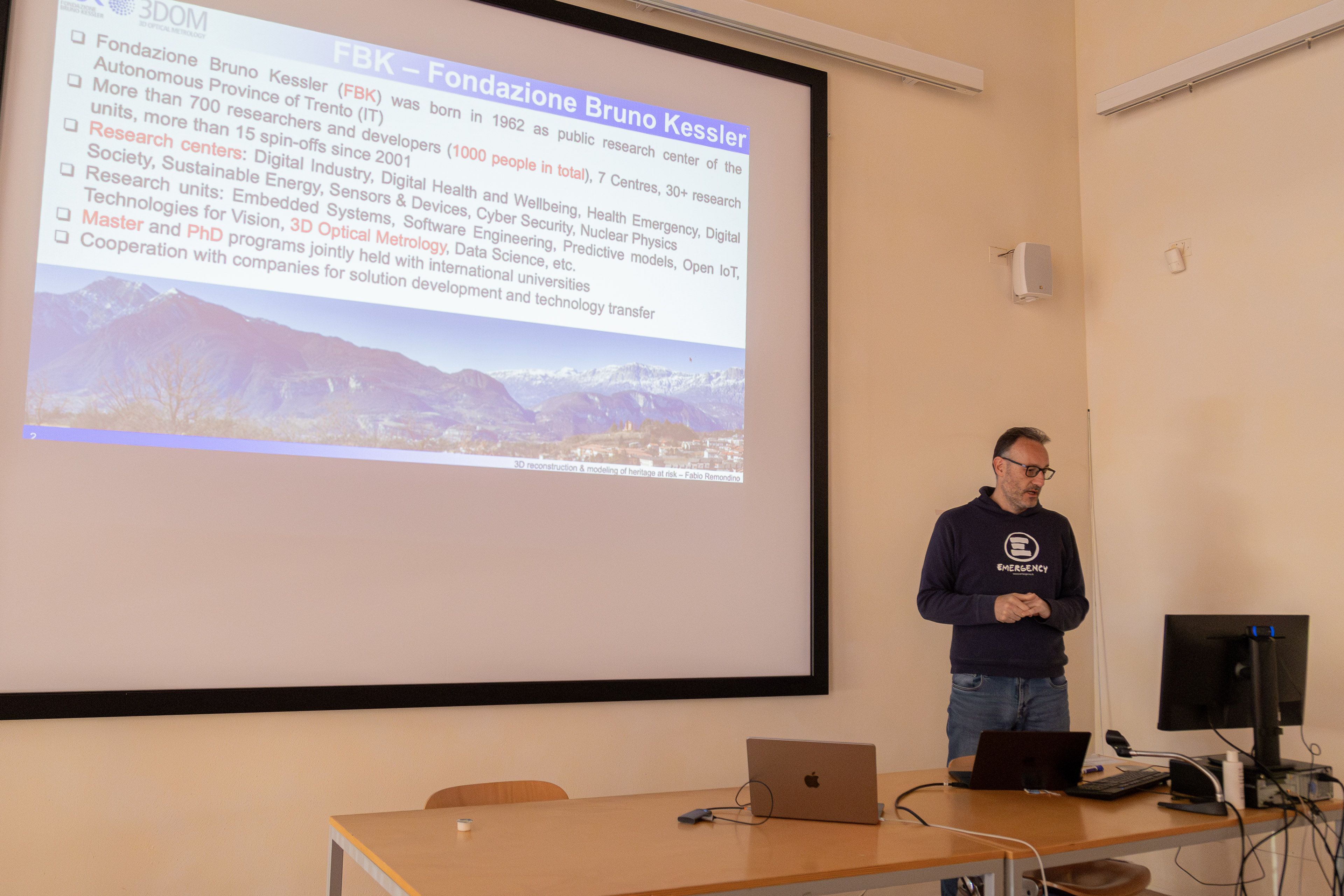
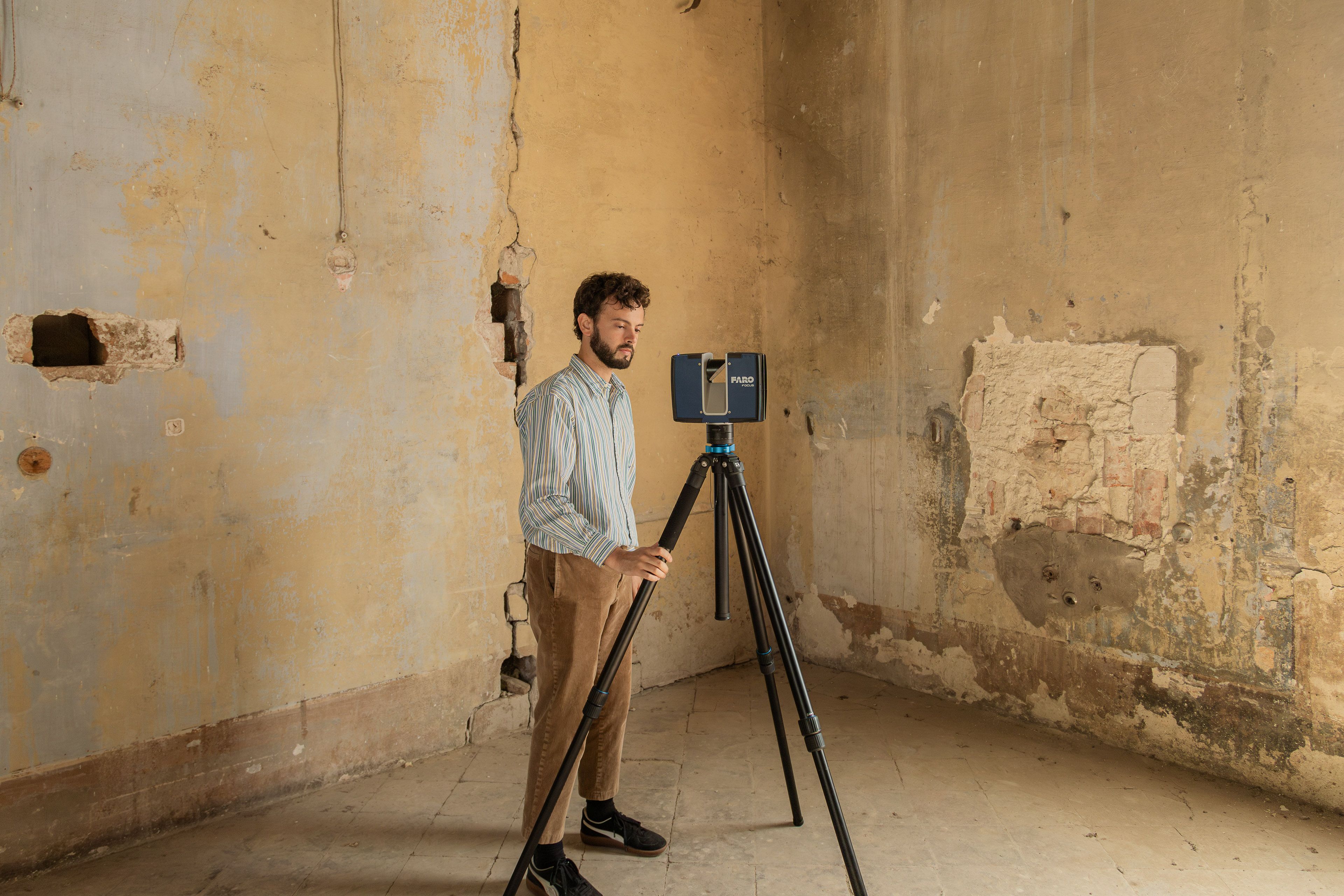
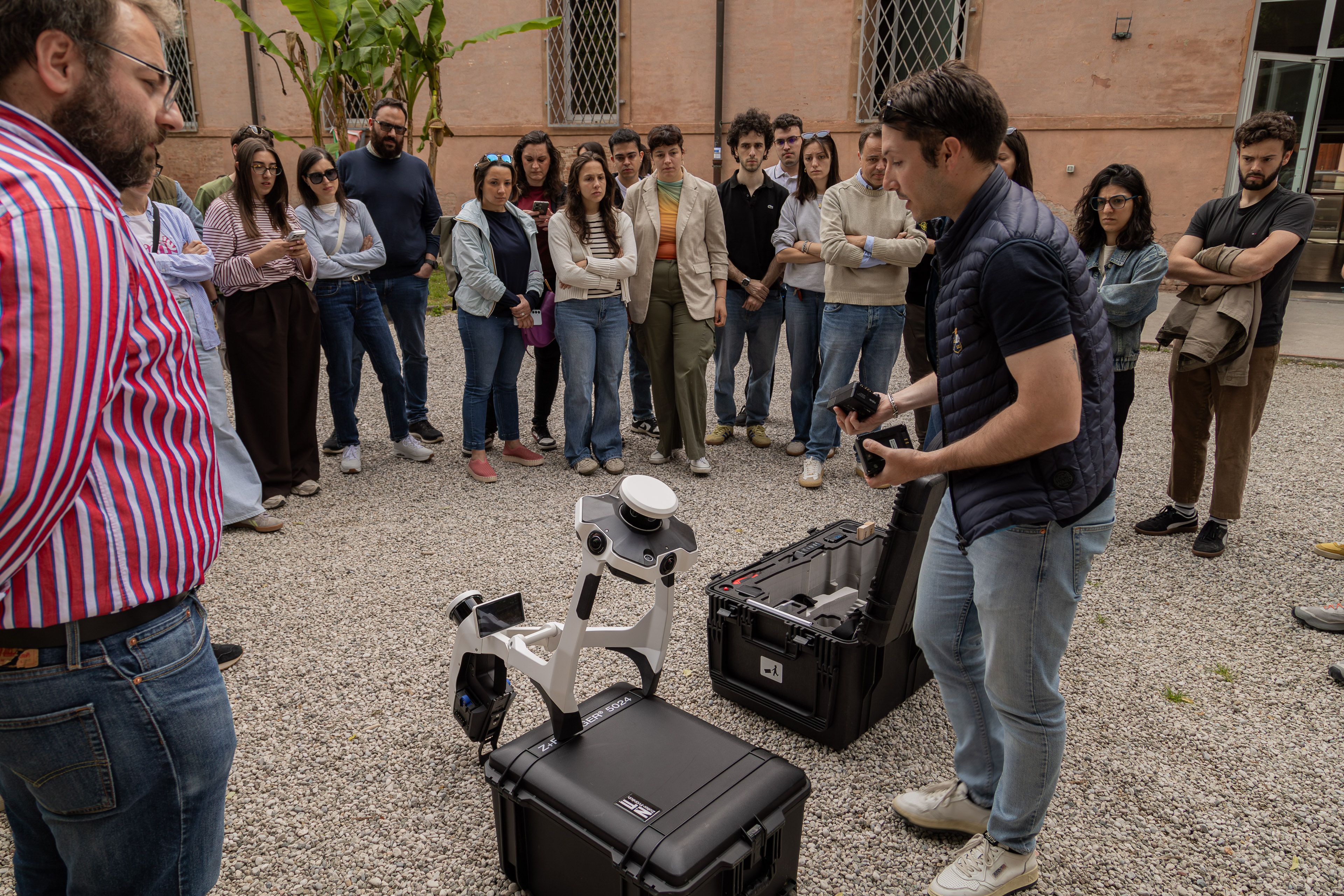
Experts from Inception Srl, Fondazione Bruno Kessler (FBK), the University of Ferrara and Dynatech guided participants through hands-on exercises involving:
-
Data acquisition workflows, including:
-
Photogrammetry and laser scanning
-
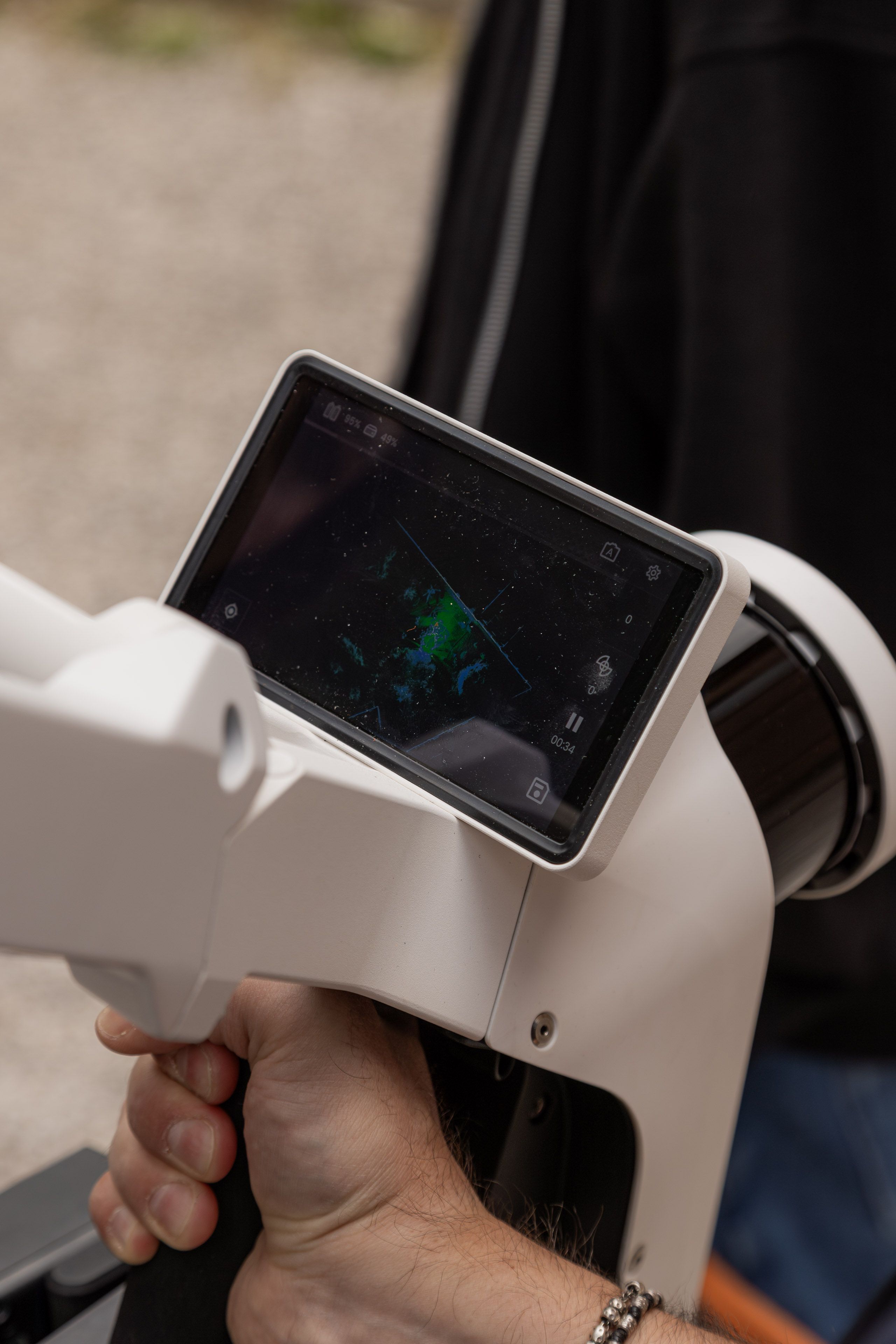
Mobile mapping technologies with NavVis technologies
-
-
Practical processing techniques and integration of 3D datasets
For 3D-4CH, the event reflected the project’s broader mission of strengthening competencies, accessibility and collaboration around 3D technologies for cultural heritage across Europe.
Marco Medici, Project Coordinator of the 3D-4CH Consortium and organiser of the Summer School, highlighted the importance of connecting expertise and practice across borders:
“Cultural heritage at risk is a shared European and global challenge. Bringing together technology experts, heritage professionals and students through practical training and exchange is essential to building resilient approaches for documentation and preservation.”
Looking Ahead
The Heritage at Risk Summer School once again demonstrated the growing importance of interdisciplinary collaboration, digital innovation and accessible training opportunities in protecting cultural heritage under threat.
For the 3D-4CH project, the event reinforced the value of European cooperation in advancing digital heritage preservation and supporting the safeguarding of monuments and cultural sites, including ongoing efforts connected to Ukraine.
A sincere thank you goes to all speakers, partners, tutors and participants who contributed to the inspiring discussions and practical sessions in Ferrara.
Photocredits: Matteo Bevilacqua