3D-4CH Winter School 2026: From Strategy to Practice
4. 2. 2026

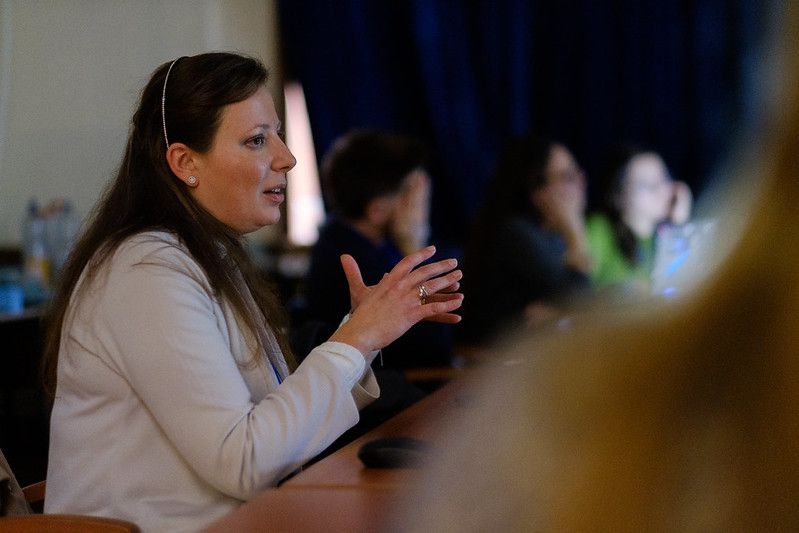
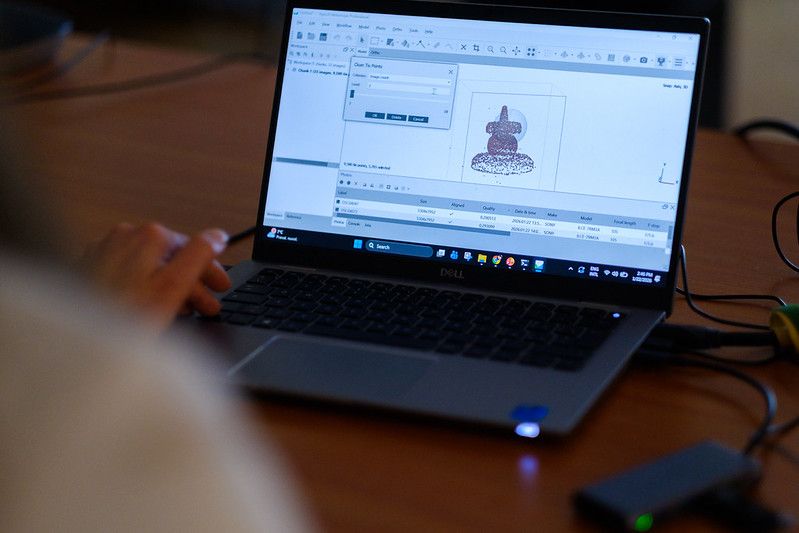
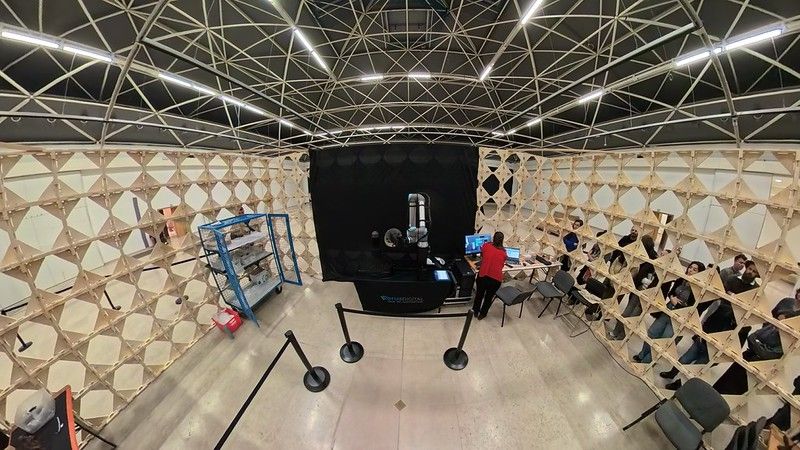
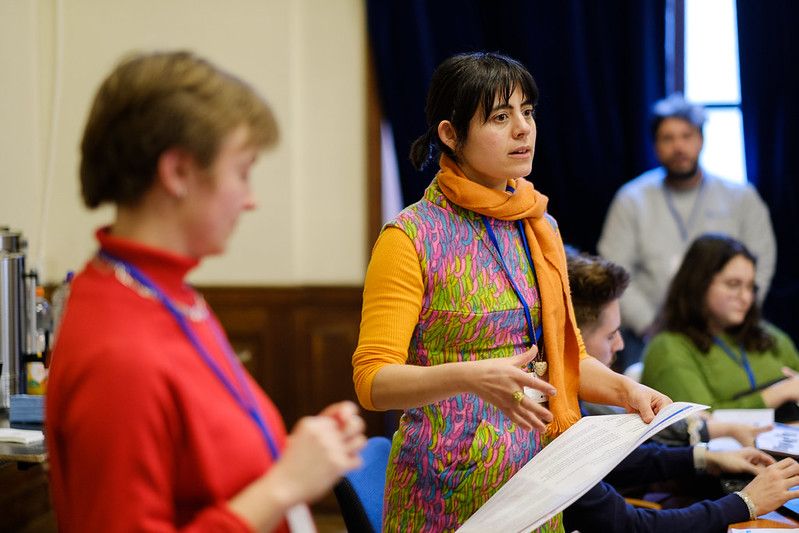
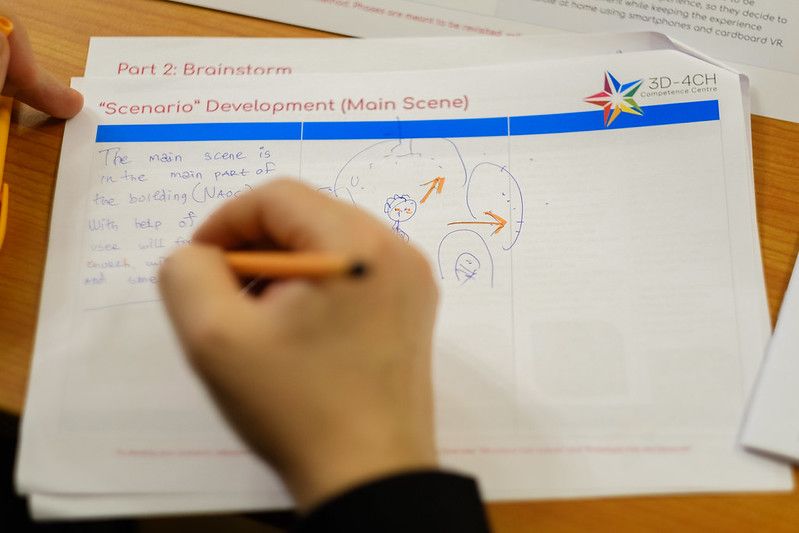
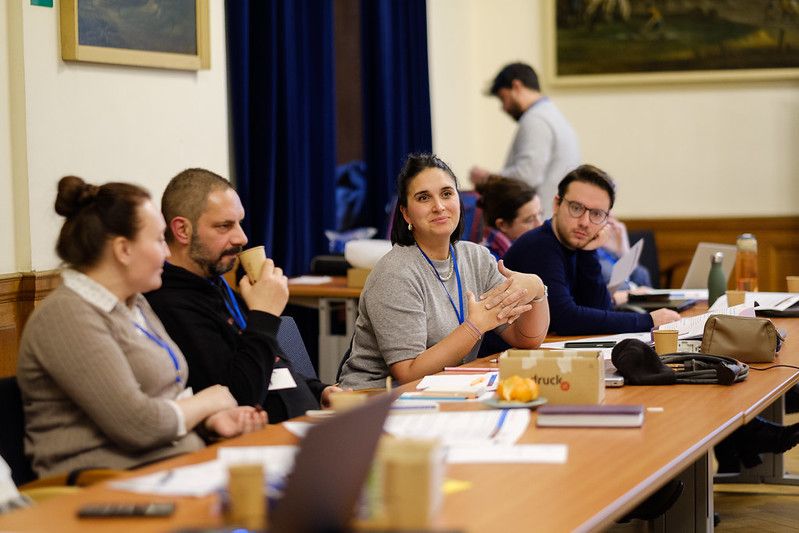
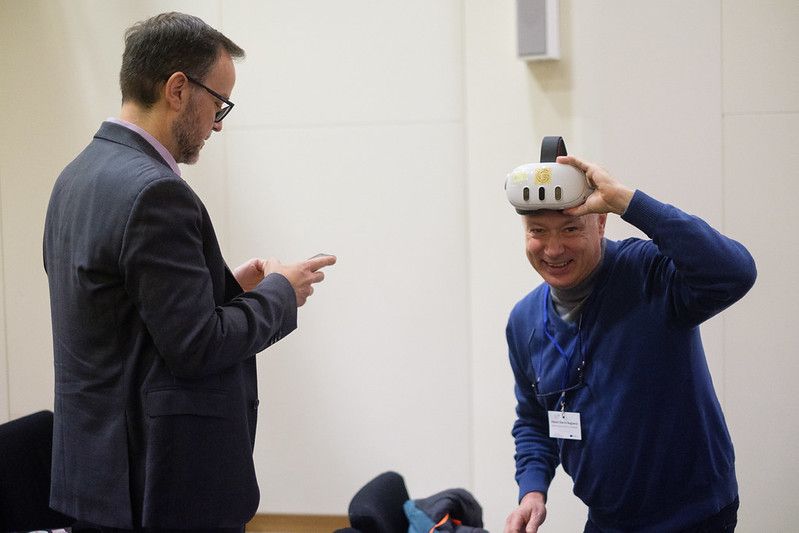
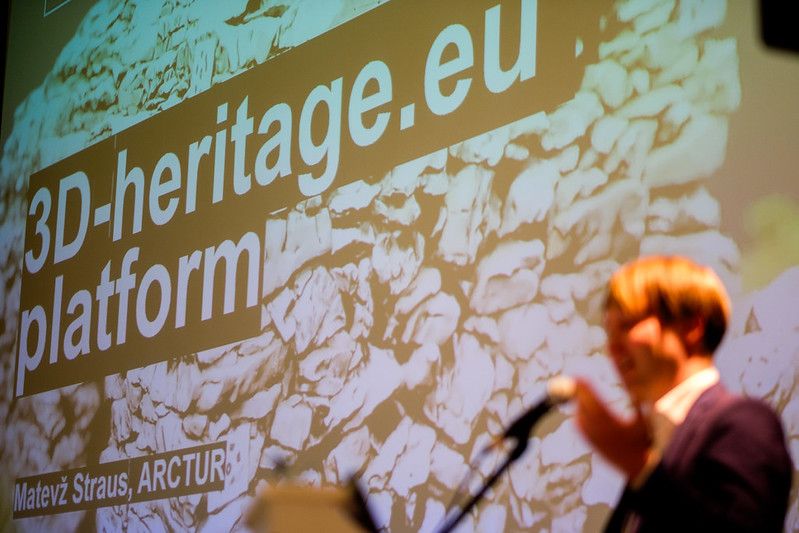
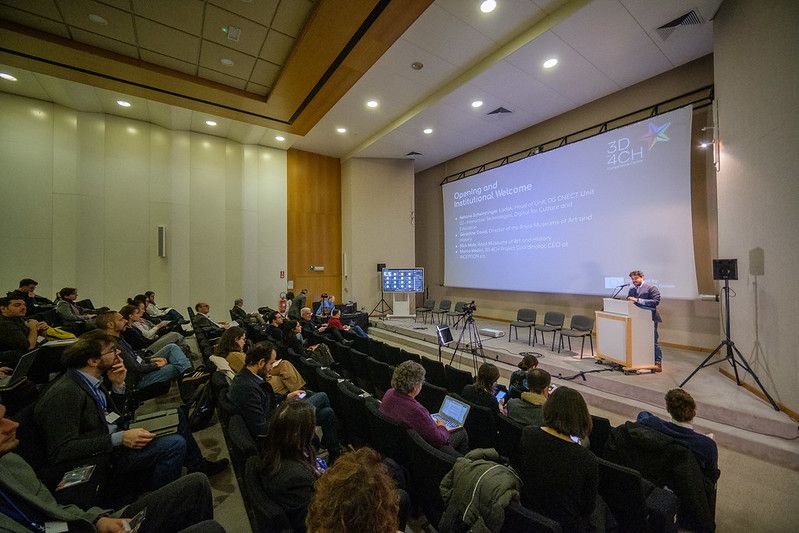
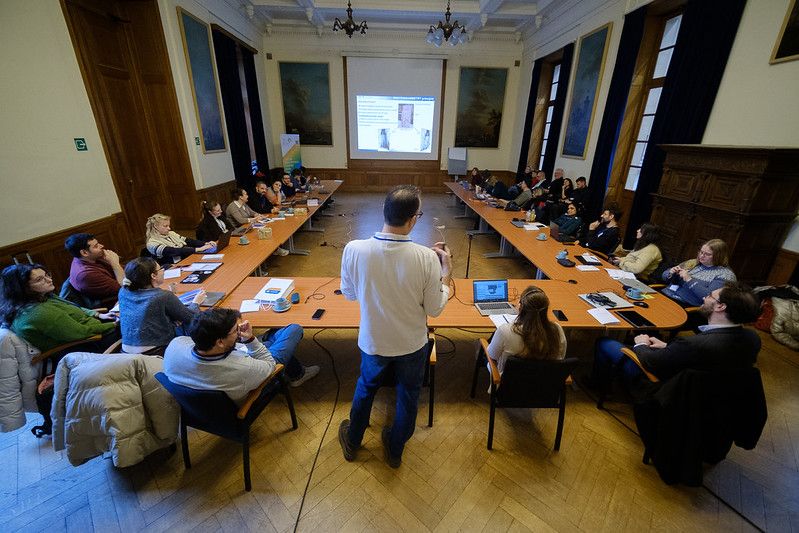
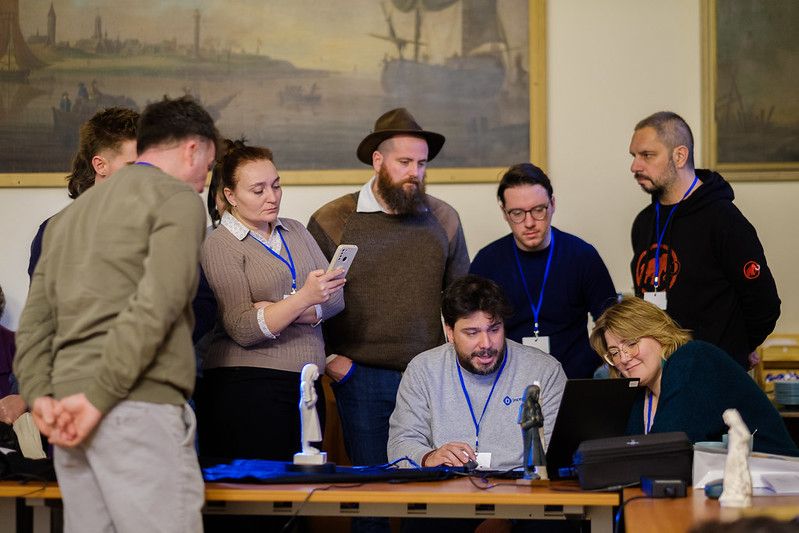
The inaugural 3D-4CH Winter School took place from 21–23 January 2026 at the Art & History Museum in Brussels. This event marked the launch of the seasonal school programme of the 3D-4CH Online Competence Centre, an EU-funded initiative that supports the development of skills, interoperability and innovation in the field of 3D cultural heritage. Over 100 participants from across Europe came together to explore how 3D digitisation, extended reality (XR) and digital storytelling are shaping cultural heritage practices, from strategy and policy to hands-on implementation in museums and heritage institutions.
Day 1: Policy, Strategy, and the European Framework for 3D Cultural Heritage
The Winter School opened with a strong focus on European policy, strategic alignment and capacity building. The increasing role of 3D technologies in the EU’s digital and cultural agenda was highlighted. Rehana Schwenninger-Ladak (DG CNECT, European Commission) set the scene, emphasising that 3D digitisation strengthens Europe’s cultural heritage ecosystem by supporting digital skills, FAIR data practices, cross-border collaboration and long-term sustainability.
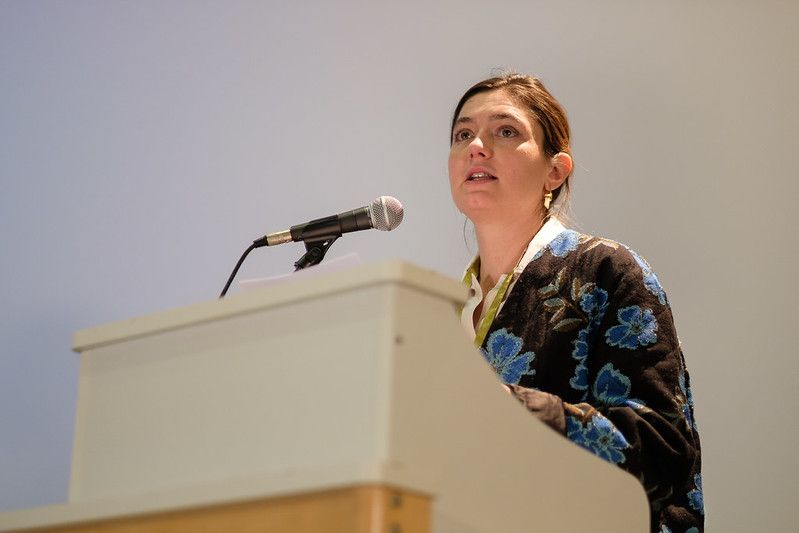
Géraldine David, Director of the Art & History Museum, welcomed participants and drew connections between the museum’s plaster cast collections, which are early examples of 3D representation, and contemporary digital approaches. Nick Mols, representing the museum as the venue host, emphasised the importance of holding the Winter School in a museum to showcase digital innovation in practice. Marco Medici, Project Coordinator of 3D-4CH, presented the project's overarching mission: to equip institutions with the necessary skills and knowledge to make digital heritage accessible, engaging, and sustainable.
The morning session featured the Digital Europe Project Showcase, chaired by Fulgencio Sanmartín (DG CNECT). This event highlighted key European initiatives, including Europeana's TwinIt! Campaign (Part II), the 3D-4CH Online Competence Centre and XRculture, the latter of which focuses on reusing 3D heritage content within the European Data Space. Complementary Horizon Europe projects, including 3DBigDataSpace, EUreka3D-XR, ARTEMIS, StratiGraph and Textailes, emphasised interoperability, shared standards and collaboration across EU-funded initiatives.
In the afternoon, sessions chaired by Marco Medici explored best practices for introducing 3D technology in cultural institutions. Topics included mass digitisation workflows, dynamic 3D collections, accessibility for visually impaired audiences, and strategies for institutional engagement. The day concluded with a focus on storage solutions, web viewers, and heritage data management, including updates on 3D-heritage.eu and the Share3D Dashboard. These updates effectively bridge the gap between policy, technical infrastructure, and practical implementation.
Day 2: Hands-on Digitisation and Applied Workflows
The second day shifted the focus from strategy to practical, hands-on learning. A select group of participants joined an intensive workshop led by Fabio Remondino and Elisa Mariarosaria Farella (FBK), working directly with museum artefacts. They explored photogrammetry, structured light scanning, and Gaussian splatting, while sessions on XR storytelling from the Netherlands' Sound and Vision Institute demonstrated immersive approaches tailored for cultural heritage. The workshops provided insight into the technical choices and best practices that institutions encounter when implementing 3D digitisation projects in the real world.
Day 3: From Capture to Publication
On the final day, the 3D workflow was concluded, covering everything from capture to dissemination. Participants reviewed digitisation techniques and visited the Plaster Cast Workshop, where they explored the historical role of plaster casts in reproducing and sharing artworks. They also reflected on the parallels with contemporary 3D reproduction for access, education and reuse. The final session focused on capturing, licensing, storing and publishing metadata via the Share3D Dashboard, providing participants with hands-on experience of managing and sharing 3D cultural heritage data. By the end of the Winter School, participants had gained experience of the entire lifecycle of a 3D cultural heritage project, integrating theory, technology, and institutional practice.
Beyond the Winter School – Building Long-Term Capacity
Reflecting on the event, Marco Medici emphasised the broader role of the Winter School within the 3D-4CH Online Competence Centre:
“The Winter School demonstrated what the 3D-4CH Online Competence Centre is designed to do: connect policy, research and hands-on practice. What matters now is continuity — supporting professionals beyond the event, strengthening skills over time, and ensuring that 3D technologies become an integrated and sustainable part of everyday heritage work across Europe.”
The first 3D-4CH Winter School has set a strong foundation for future seasonal schools and training activities, supporting cross-European collaboration and strengthening skills in 3D cultural heritage.
We would like to express our sincere gratitude to all consortium members, museum colleagues, trainers, and participants who contributed to the success of the Winter School.
Missed the Winter School? Recordings from Day 1 will be available soon, offering insights into European policy, best practices, and the future of 3D cultural heritage.
Meanwhile you can watch some interviews on our YouTube Channel:
Picture Credits: Europeana EU / CC BY 4.0